

Many ASTRO members may see photos of ASTRO’s efforts to engage Congress during our annual Advocacy Days in the spring, but Hill meetings are also a daily, year-round effort on behalf of our members and the patients they serve. Here we give you a day in the life of an ASTRO lobbyist, offering a snapshot of our work on Capitol Hill as ASTRO's advocacy team builds relationships and garners support from members of Congress for the specialty.
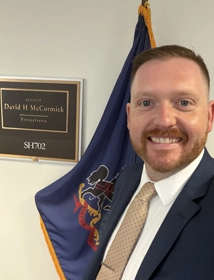
My day on the Hill started at 9:00 a.m. for a small-group meeting with Sen. Dave McCormick (R-PA) and his chief of staff. The senator shared his priorities for the three weeks remaining before the Senate adjourns for the midterms, and we had a productive conversation about ensuring Pennsylvanians can access high-quality cancer care close to home.
From there, I made the trek across the Capitol complex for a meeting with Rep. Greg Steube (R-FL). As a member of the House Ways and Means Health Subcommittee, the Congressman plays an important role in shaping Medicare policy. We discussed the Radiation Oncology Case Rate (ROCR) Act and why the value-based payment model for radiation oncology can improve care while generating savings for taxpayers.
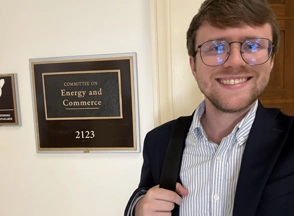
At the same time, Zach Harris, Congressional Lobbyist, attended an Energy and Commerce Health Subcommittee hearing where ROCR champion Paul Tonko (D-NY) featured the legislation in his opening remarks. Zach then trekked over to the Senate side for a meeting on ROCR with the office of Sen. Deb Fischer (R-NE). Zach highlighted how ROCR would help improve access to care for patients, especially those in Nebraska’s rural communities.
After a quick meetup with Zach and ASTRO's Vice President of Advocacy, Dave Adler, to compare notes from the morning and discuss the growing momentum behind ROCR, it was back to Senate meetings for the afternoon.
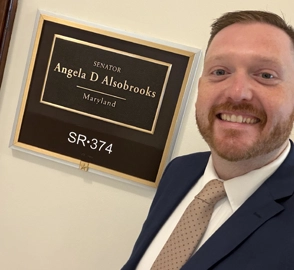
One stop was the office of Sen. Angela Alsobrooks (D-MD), where I met with her staff to discuss ROCR and the importance of preserving access to local cancer care. Cancer has deeply affected the senator's family.
Her mother was a breast cancer survivor, and her father lost multiple family members to the disease. Sen. Alsobrooks has also spoken publicly about traveling long distances for her mother's treatment, an experience that continues to shape her focus on expanding access to care closer to where patients live.
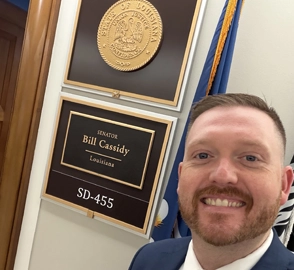
Next was a meeting with the office of Sen. Bill Cassidy, MD (R-LA). As chairman of the Senate HELP Committee and a physician himself, Sen. Cassidy brings a unique perspective to healthcare policy.
We discussed how alternative payment models can improve care delivery while helping ensure Medicare remains sustainable for future generations. Fun fact: Sen. Cassidy's wife, Dr. Laura Cassidy, is a retired general surgeon who specialized in breast cancer care.
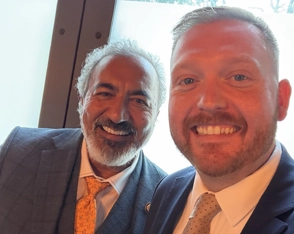
To wrap up the day, Zach and I attended a reception hosted by the Democratic Doctors Caucus. The event brought together lawmakers and healthcare stakeholders engaged in physician payment reform efforts, including work on the bipartisan Patients First Act.
It was a great opportunity to thank Rep. Ami Bera, MD (D-CA), for his continued support and cosponsorship of ROCR and to connect with policymakers working to strengthen patient access to care.
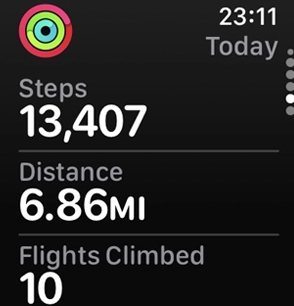
By the end of the day, I had logged nearly seven miles and more than 13,000 steps between the House and Senate office buildings. While I did not make it to the gym, Capitol Hill provided a pretty good substitute.
More importantly, it was another day of ensuring radiation oncology has a seat at the table as Congress considers the future of Medicare, physician payment, and cancer care policy.
