

Election Rules
Learn ASTRO's rules for candidates running for office: permitted one-on-one outreach methods and prohibited mass communications or social media debate about the election.
Elections
ASTRO's 2026 elections open
ASTRO's 2026 official elections are now open. Voting began at 12:00 p.m. Eastern time on Wednesday, June 24, 2026, and will remain open until 5:00 p.m. Eastern time on Friday, July 24, 2026. A biography and policy statement for each candidate can be viewed below.
In order to create a fair and professional election process, the candidates agreed to a process whereby campaigning activity is not permitted. Campaigning includes, but is not limited to letters, emails, texts, or calls to mass distribution lists. For members, using social media or public channels to discuss individual candidate qualifications or preferences is discouraged.
ASTRO's Active, Affiliate and International members are eligible to vote in ASTRO elections. Voting is being conducted electronically through a secure, Web-based system that ensures the authenticity and secrecy of each ballot. When you are ready to vote, click on the "Vote Now" button located at the top and bottom of this page, view the ballot and cast your vote. If you have difficulties voting, or would like to become an ASTRO member, please contact the membership department.
President-elect
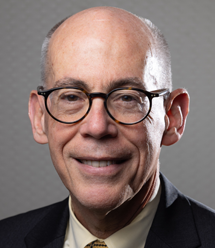
John Buatti, MD, FASTRO
University of Iowa Carver College of Medicine, Iowa City, IowaHow would ASTRO’s Strategic Plan inspire you (your leadership) as an ASTRO Board Member?
As President-elect, it is critical to recognize and support the needs of all ASTRO members through an efficient and well-focused strategy. This includes innovative approaches that address both common and divergent needs of community practices, academia and international membership. It also recognizes that the needs of early career, mid-career and senior practitioners may be different across all practice settings. Important roles in advocacy, government policy and re-imbursement must be approached with vigor for all members and with an eye on the value radiation brings to our patients. This must be skillfully communicated to our multidisciplinary colleagues, to our patients, who experience this firsthand, as well as to the broader public, including policymakers that influence support for our field. Preserving equitable access and re-imbursement for free standing centers as well as hospital-based practices in both rural and urban environments is vital. Contributing to the global radiation oncology community is an increasingly important opportunity to provide still greater impact for patients and provides recognition for our field as the most cost-effective therapy.Innovative support (and advocacy) for our research and educational infrastructure kindle high-quality care and improvements in our applications of radiation that are equally essential to our future success. Innovation and research are cornerstones for continued evolution and advancement in radiotherapy that fuel our future treatments and patient outcomes. Continued development of adaptive therapy, theranostics, particle therapy, and ultra-high dose-rate therapy provide exciting new opportunities to further advance our field. Application of radiation therapy coordinated with targeted and immune therapies as well as a myriad of novel new agents also creates new opportunities to impact patient care.
ASTRO must create dynamic educational opportunities that serve the many needs of all our membership. This includes education on modern standards for therapy as well as education on new innovations and technologies that are being developed and newly implemented. Education spans the spectrum of research to practice and needs to serve all through thoughtful programming.
Workforce strategies also deserve attention and include concerns in physicians, physics, radiation therapists, dosimetrists and nursing workforces that impact the care of our patients. Creating a balanced, and skilled workforce across all practice settings must be our goal. The future state of practice must be sustainable and enable high-quality, compassionate cancer care. Enhanced focus on educating the future needs of the specialty will be paramount.
As a leader in the Presidential track, I will be committed and inspired to support our field, to represent all members of our society and to help develop innovative solutions that address our many needs. Working as a team within the Board of Directors and helping develop and gain support for the best solutions for our membership will be the goal. I also recognize that engagement with government agencies, industry and healthcare communities and societies beyond our membership is important for success. I would be honored to serve and represent our society, our members and our patients as we seek to support and advance radiation oncology.
EDUCATION
- MD, Georgetown University, Washington, DC, 1986
- BS, (Biology and Theology majors) Georgetown University, Washington, DC, 1982
POSTGRADUATE EDUCATION
- Residency, Radiation Oncology, Arizona University, 1989 - 1993
- Internship and Residency, Internal Medicine, Georgetown University, 1986 - 1989
ACADEMIC APPOINTMENTS
- Secondary Appointment, Department of Neurosurgery, Carver College of Medicine, The University of Iowa, Iowa City, Iowa, 2009 - present
- Secondary Appointment, Department of Otolaryngology, Carver College of Medicine, The University of Iowa, Iowa City, Iowa, 2004 - present
- Professor, Department of Radiation Oncology, Carver College of Medicine, The University of Iowa, Iowa City, Iowa, 2001 - present
- Professor, Department of Radiology, Carver College of Medicine, The University of Iowa, Iowa City, Iowa, 1999 - 2001
- Associate Professor, Department of Neurosurgery, Shands Cancer Center, University of Florida, Gainesville, Florida, 1999 - 2001
- Associate Professor, Department of Radiation Oncology, Shands Cancer Center, University of Florida, Gainesville, Florida, 1998 - 1999
- Joint Appointment, Department of Neurosurgery, Shands Cancer Center, University of Florida, Gainesville, Florida, 1997 - 1999
- Assistant Professor, Department of Radiation Oncology, Shands Cancer Center, University of Florida, Gainesville, Florida, 1993 - 1998
HOSPITAL APPOINTMENTS
- US News and World Report – Cancer Task Force to improve ranking, 2025 - 2026
- Co-chair, Search Committee – Holden Comprehensive Cancer Center Director, University of Iowa Hospitals & Clinics, Iowa City, Iowa, 2023 - 2024
- Board Member, Iowa Medical Malpractice Insurance Company, 2006 - 2024
- Capital Budget Guidance Team for FY10 - FY16, University of Iowa Hospitals & Clinics, Iowa City, Iowa, 2009 - 2023
- Co-chair, Clinical Operations Committee, Clinical Systems Committee, University of Iowa Hospitals and Clinics, 2019 - 2023
- Co-chair, Clinical Enterprise Clinical Practice Strategy Subcommittee, 2021 - 2023
- Deputy Director of Clinical Cancer Care, Holden Comprehensive Cancer Center, Carver College of Medicine, The University of Iowa, Iowa City, Iowa, 2008 - 2012
- Chair, Department of Radiation Oncology, Carver College of Medicine, The University of Iowa, Iowa City, Iowa, 2001 - 2023
SERVICE TO ASTRO
- Chair and Co-chair, Science Council – ASTRO Board of Directors, 2021 - 2025
- ROI-Speed of Light – The ASTRO Foundation Board of Trustees, 2023 - 2025
- ASTRO-ROI Taskforce, 2024 - 2025
- Master Class Theranostics – Annual ASTRO Meeting, 2019 - 2021
- Member, SNMMI/ASTRO Education & Training Working Group, 2019 - 2020
- Member, ASTRO Nominating Committee, 2018 - 2021
- Chair, ASTRO Theranostics Work Group, 2018 - 2024
- ASTRO Fellow (FASTRO), 2014
- ASTRO – Science Council Steering Committee, 2013 - 2017
- Speaker: AANS/ASTRO Stereotactic Radiosurgery Course for Neurosurgery & Radiation Oncology Residents, "Radiosurgery for Acoustic Neuromas" and "Evidence Based Radiosurgery," Evanston, IL, 2012
- Co-chair, ASTRO – IHERO Leadership Committee, 2012 - 2017
- Abstract reviewer, ASTRO's Annual Meeting, 2009 - 2011
- Member, ASTRO Research Evaluation Committee, 2004 - 2009
- Member, ASTRO Education Committee, 2004 - 2010
- Member, ASTRO Education Committee, 1998 - 2000
- Member, American Society for Therapeutic Radiation and Oncology (ASTRO), 1989 - present
SERVICE TO OTHER ONCOLOGY OR RADIOLOGY ORGANIZATIONS
- Member – External Advisory Committee – Moffitt Cancer Center, 2017 - 2021
- SCAROP Executive Committee Member, 2017 - 2019
- National Cancer Institute (NCI)
- NIH – Ad hoc Reviewer – Image Guided Interventions (NIBIB), 2026
- Review Committee, Mayo Clinical Cancer Center, 2025
- Site Visit/Review Committee, Yale Smilow Cancer Center (NCI), 2024
- Site Visit/Review Committee, Albert Einstein Cancer Center, NY, 2023
- Review Committee, Carbone Cancer Center, University of Wisconsin, 2022
- Site Visit/Review Committee, University of Colorado Comprehensive Cancer Center, Cancer Center Support Grant Application, P30 CA046934. Review Panel Member. 2021
- NIH - Peer-Review WebEx Meeting: "The Information Technology in Cancer Research," March 30-31, 2021
- NIH - Special Emphasis Panel - Metastasis Research Network (RFA-CA-20-029). Feb. 25-26, 2021 Virtual Review
- Review Committee, Karmanos Cancer Center, Detroit, MI. Grant application 2 P30 CA022453-39, May 6-8, 2020 Virtual Site Visit
- Site Visit/Review Committee, University of Texas MD Anderson Cancer Center, Cancer Center Support Grant Application, 2 P30 CA016672-43. Review Panel Member. 2019
- Review Committee, Cancer Center Support Grant Application, 2 P30 CA015083-45, Mayo Clinic Comprehensive Cancer Center, Rochester, MN. 2018
- NCI Special Emphasis Panel U24/UG3-UH3 application – March 2020
- NIH – Emerging Imaging Technologies and Applications (EITA) – February 2020
- NCI Program Project Review Panel (P01), Gaithersburg, MD, 2019
- Organizing Committee Member, NCI Workshop on Artificial Intelligence in Radiation Oncology, NCI Shady Grove Campus, Rockville, MD, April 4-5, 2019
- NCI Special Emphasis Panel U24/UG3-UH3/U01 applications - PAR-16-385: Oncology Co-Clinical Imaging Research Resources to Encourage Consensus on Quantitative Imaging Methods and Precision Medicine (U24); PAR-17-128: Quantitative Imaging Tools and Methods for Cancer Therapy Response Assessment (UG3/UH3); PAR-17-129: Quantitative Imaging (QI) Tools and Methods for Cancer Response Assessment (U01), 2018
- Reviewer: NIH/NCI Development of Informatics Technologies for Cancer Research and Management applications (R21, U01, U24, UG3), 2018
- Reviewer: NCI Program Project Review II (P01), Gaithersburg, MD, 2018
- Co-chair, Special Emphasis Panel – NCI Program Project Review (P01), Gaithersburg, MD, 2018
- Reviewer, NIH/NCI Development of Informatics Technologies for Cancer Research and Management applications (R21, U01, U24, UG3), 2018
- NCI Site Visit Reviewer, The Sidney Kimmel Cancer Center, Thomas Jefferson University, Philadelphia, PA, 2017
- Reviewer – U01 Applications PAR-16-111 "Cooperative Agreement to Develop Targeted Agents for Use with Systemic Agents Plus Radiotherapy," 2017
- Reviewer – U01 Applications PAR-14-116, "Quantitative Imaging for Evaluation of Response to Cancer Therapies," 2017
- Reviewer – Carver Collaborative Pilot Grant (CPG), 2017
- Clinical and Experimental Therapeutics (CET-3) Review panel for FY17 Breast Cancer Research Program (BCRP) for the development of Defense Congressionally Directed Medical Research Programs (CDMRP). Review Panel Member. 2017
- NCI Site Visit Reviewer, Sidney Kimmel Comprehensive Cancer Center, Johns Hopkins University, Baltimore, MD, 2016
- Reviewer – Grant Applications PAR 14-116 "Quantitative Imaging for Evaluation of Response to Cancer Therapies," 2016
- NCI Lasker Clinical Research Scholars Program, 2015
- Reviewer: (NCI Omnibus R21) and PAR-14-007 "NCI Small Grants Program for Cancer Research (NCI Omnibus R03) Grant Review Study Section, 2015
- Reviewer, Alvin J. Siteman Cancer Center (Washington University) Site Visit Review, St. Louis, MO (Cancer Center Support Grant, P30), 2015
- R01 Reviewer, NIH - Health Services Organization and Delivery (HSOD), 2016/01
- Chair: NCI Review Special Emphasis Panel "Development of Innovative Algorithms for Processing & Analysis of In Vivo Images," 2014
- Reviewer – Grant Applications PAR 14-116 "Quantitative Imaging for Evaluation of Response to Cancer Therapies," 2014
- NCI - Site Visit Reviewer, St. Jude Children's Comprehensive Cancer Center, Memphis, TN, 2013
- Reviewer: NCI R21/R03 Applications, Cancer Therapy (Omnibus) Special Emphasis Panel, 2013
- NCI IRG Subcommittee A - Parent Committee Meeting (Reporting for the St. Jude Children's Research Hospital) Participant, 2013
- NCI Special Emphasis Panel-Informatics Technology for Cancer Research – PAR 12-286-289, 2013
- NCI Special Emphasis Panel Member - PAR-11-150 "Quantitative Imaging for Evaluation of Responses to Cancer Therapies," 2013
- NCI IRG Subcommittee A - Parent Committee Meeting (Reporting for the St. Jude Children's Research Hospital) Participant, 2013
- Panel Review SBIR Contract Proposals for Topic 306 "Image Processing Algorithm and Software Development for Oncology," 2013
- Cancer Center Support Grant P30 Site Visit, MD Anderson, Houston, 2013
- PAR 11-150 QIN – Reviewer (2) Study Sections-Spring and Fall, 2013
- NCI-Site Visit Reviewer (P30) – Kimmell Cancer Center at Thomas Jefferson University, Philadelphia, PA, 2012
- NIH Review Panel – CCOP and MBCCOP, 2012
- NIH Meeting Panel - ZRG1 OTC-C (05) Radiation Therapeutic Member Conflict SEP, 2012
- NIH/NCI - Ad Hoc Review ZRG1 OTC-C(02) Radiation Therapeutics Study Section, 2011
- Panel Review SBIR Contract Proposals for "Algorithms for Automated Quantitative Imaging of Tumor Microenvironment" and "Development of Innovative Algorithms/software for Processing and Analysis of in Vivo Images in Oncology," 2011
- NCI Site Visit Reviewer, Abramson Comprehensive Cancer Center, University of Pennsylvania, Philadelphia, PA, 2010
- RC-4 ARRA Review, 2010
- P30 CCSG Grant Ad Hoc Reviewer (3 institutions), 2009 - 2011
- P30 CCSG Grant Ad Hoc Reviewer, Duke University, Raleigh-Durham, North Carolina, 2009
- P30 ARRA Competitive Revision Supplement Applications Review Panel, 2009
- National Cancer Institute IRG Committee Ad Hoc Reviewer, 2009
- National Cancer Institute Subcommittee G Education Meeting, 2009
- National Institute of Health Loan Repayment Program Review Panel, 2004 - 2017
- National Cancer Institute, Advanced Technology QA Center for Radiation Oncology Review Panel, 2003
- National Institute of Health, NINDS, PO-1 Proposal Ad Hoc Review Panel, 1999
- Pediatric Oncology Group of UOI Grant Proposal, Ad Hoc Review Panel, 1999
- Quantitative Imaging Network (QIN)
- QIN Coordinating Committee T-Con, 2013 - 2015
- Committee Chair, QIN Clinical Trials Design Development Working Group, 2014 - 2015
- Chair, QIN Steering Committee, 2010 - 2011
- Reviewer, P13-19 Technology Foundation STW Programme Proposal "Visual technology integrating quantitative patient outcomes to support multidisciplinary clinical decision making," Netherlands, 2016
- Panel Reviewer – Italian Association for Cancer Research (AIRC), 2015 - 2025
- Reviewer – P13-19 Technology Foundation STW Programme Proposal "Radiomics-Non-invasive Stratification of Tissue Heterogeneity for Personalized Medicine – Radiomics STRaTeGy," Netherlands, 2014
- Committee Co-chair, Clinical Trials Working Group, NCI Quantitative Imaging Network, 2013 - 2014
- Panel Member – ACR Appropriate Criteria® Expert Panel on Radiation Oncology-Brain Metastases, American College of Radiology, 2012 - 2015
- Member, Board of Directors, Commission on Accreditation of Medical Physics Educational Programs (CAMPEP), 2012 - 2015
- Focused Ultrasound Foundation Research Award Program, 2012
- Examiner, Oral Boards Radiation Oncology, Central Nervous System and Pediatrics, 2010 - 2011
- International RadioSurgery Association Guideline Initiative – Pituitary Adenomas, 2005
- Iowa Society of Therapeutic Radiation Oncology (ISTRO)
- President, (ISTRO), 2005 - 2007
- Vice President, (ISTRO), 2003 - 2005
- ACR Guidelines for Performance of Stereotactic Radiosurgery, 2005
- International Stereotactic Radiosurgery Society
- Education Committee, 2003 - 2005
- Publications Committee, 2003 - 2005
- Newsletter Committee, 2003 - 2005
- Selected to Board for International Society for Stereotactic Radiosurgery (2003 - 2005), Japan, 2003
- Department of Defense – Breast Cancer Concept Review Panel Member, 2005
- Department of Defense - Chair, Prostate Cancer Research Program Review Panel – Radiation Oncology, 2004 - 2008
- Angoff Meeting for CNS Tumors for ABR, 2004 - 2008
- Item writer for ACR Certification Exam, American College of Radiology, 2003 - 2006, 2012
- Pediatric Oncology Group, Radiotherapy Section Review Panel, Jacksonville, Florida, 2002
- International Society of Stereotactic Radiosurgery-Scientific Program Committee, 2000
- Department of Defense — CDRMP Prostate Cancer Research Program. Panel Member on Therapeutic Intervention, 2001
- American Association of Neurosurgery Consensus Guidelines for Treatment of Malignant Gliomas, 2000 - 2006
- A Phase I Study of Stereotactic Radiosurgery for Recurrent Pediatric Brain Tumors. Pediatric Brain Tumor Consortium Trial. 2004
- Ependymoma Subcommittee, Children's Oncology Group, 1999 - 2000
- American Board of Radiology-Recertification Board Examination Item Writer on Central Nervous System Tumors, 1998 - 2001
- A Randomized Trial of Best Supportive Care with or without Palliative Radiotherapy in Poor Prognosis High Grade Glioma (BR09). Medical Research Council, London, England, 1998
- Brain Tumor Core Committee, Pediatric Oncology Group, 1997 - 1999
- Co-chair, Stereotactic Radiosurgery Subcommittee, Pediatric Oncology Group Brain Tumor Group, 1997 - 1999
- Ad Hoc Committee to Develop Criteria for Quality Assurance of 3D-Conformal Radiotherapy, Pediatric Oncology Group, 1997
- RT Study Coordinator, POG 9432: A Phase II Study of Pre-Irradiation Chemotherapy in Newly Diagnosed Children with Intracranial Ependymoma, 1996 - 1999
BIOGRAPHICAL SKETCH
Dr. Buatti is Professor and former Chair of the Department of Radiation Oncology (2001 - 2023) at the University of Iowa. He established radiation oncology as an independent department and opened the Center of Excellence in Image Guided Radiation Therapy in 2005, which was innovative for its use of advanced simulation imaging including a 3T MR and 40-slice respiratory-gated PET/CT scanner to better locate and treat tumors. As a clinician, he is a leading authority on the treatment of cranial malignancies. He is a prolific scholar, having contributed more than 300 peer-reviewed publications and 29 book chapters. He has a substantial track record of peer reviewed funding and currently serves as an Associate Director for the Iowa CTSA award. He served as the first chair of the Steering Committee for the Quantitative Imaging Network (QIN) and Chair of the Clinical Trials Design and Development Working Group and was a member of the Coordinating Committee for QIN. He served in a myriad of institutional leadership roles. He has served on the ASTRO Education Committee, ASTRO Nominating Committee, as Co-chair of the ASTRO IHE-RO (Integrating Health Enterprise-Radiation Oncology) and as inaugural Chair of ASTRO's task force on Theranostics. He was most recently on the ASTRO Board as Chair of the Science Council (2021 - 2025). He was selected as an Honorary Member of the AAPM in 2020. He is an advocate for diverse workforce development and has mentored many residents, graduate students and early-career faculty to successful careers across the spectrum of practice.
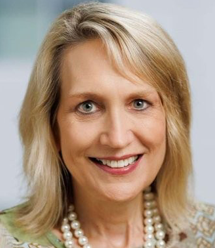
Beth Erickson, MD, FASTRO
Medical College of Wisconsin, MilwaukeeHow would ASTRO's Strategic Plan inspire you (your leadership) as an ASTRO Board Member?
Welcoming colleagues to ASTRO and promoting the incredible vision, community, offerings and services ASTRO provides is my inspiration. I am saddened when hearing the perception that ASTRO is "exclusive" and "too large." Everyone should feel welcome at ASTRO and consider it their professional home. In this era of virtual communication and social isolation, we need each other. We need to feel recognized, valued and collaborative. Becoming a part of ASTRO is the best opportunity for this realization. There are many possibilities to contribute and consume within ASTRO including committee service, contributing to educational sessions, writing, or critiquing abstracts and manuscripts, composing or joining webinars, mentoring or being mentored, or simply attending the meetings and offering questions and answers. Promotion of ample opportunities for collaboration and connection through ASTRO would be a foundational role. These activities are not just for academic faculty or physician members alone. The entire care team should feel welcome, including medical students, therapists, nurses, residents and dosimetrists, along with radiation oncologists and physicists of all career eras. We all have something to learn and something to share.
I am passionate about improving ways to educate our membership from medical school through retirement, and I am contemplative about how we should best train our residents. One of ASTRO's greatest strengths has been its allegiance to educating its members through robust meetings, webinars, guidelines and journals. In the era of artificial intelligence (AI), ASTRO is perfectly primed to leverage its impressive offerings to transform educational strategies including AI. ASTRO must lead this work. Improving and exploring processes to efficiently keep members current and at the top of our specialty is especially important. Keeping pace with the rapid expansion of precision medicine and the role of radiation in these paradigms is key in improving outcomes for our patients. Such work will also promote our future workforce and pivotal role within the care team. We need to accelerate discoveries that help us do a better job of utilizing radiation for the right patients at the right time. We need to know which of the myriad of systemic options will make radiation more effective rather than more toxic. Educating and supporting the researchers of today and tomorrow with robust grant training and funding opportunities is pivotal in expanding the value and relevance of our specialty.
Lastly, Radiation Oncology should not be a field that learners, patients or other providers "stumble upon." We cure patients with the help of amazing technology and the specialized expertise that we achieve through rigorous training. Continuing and expanding ASTRO's efforts to highlight and publicize the curative power of radiation and the wonderful work we do is essential. Equally important will be for ASTRO to continue to vigorously advocate for fair reimbursement policies that reward excellent guideline-concordant patient care and assure that patients and radiation oncologists, and not payers, make all treatment decisions. As ASTRO President, I will focus on welcoming and promoting the incredible work of ASTRO. It would be the honor of my career.
EDUCATION
- MD, Medical College of Wisconsin, Milwaukee, 1984
- Marquette University, Milwaukee, 1980
POSTGRADUATE EDUCATION
- Brachytherapy Fellowship, Centre Anti-canceru Francais, 1988
- Clinical Fellow, American Cancer Society, 1987 - 1988
- Residency, Radiation Oncology, Medical College of Wisconsin Affiliated Hospitals, 1988
- Rotating Internship, Oncology, Medical College of Wisconsin Affiliated Hospitals, 1985
ACADEMIC APPOINTMENTS
- J. Frank and Vera B. Wilson Professorship in Radiation Oncology, Medical College of Wisconsin, 2022 - present
- Present Secondary Faculty - Professor of Surgery, Department of Surgery, Medical College of Wisconsin, Milwaukee, 2018 - present
- Professor of Radiation Oncology with Tenure, Department of Radiation Oncology, Medical College of Wisconsin, Milwaukee, 2007 - present
- Professor, Department of Radiation Oncology, Medical College of Wisconsin, Milwaukee, 2001 - 2007
- Associate Professor, Department of Radiation Oncology, Medical College of Wisconsin, Milwaukee, 1996 - 2001
- Assistant Professor, Department of Radiation Oncology, Medical College of Wisconsin, Milwaukee, 1990 - 1995
- Assistant Professor (Full professional effort part-time), Department of Radiation Oncology, Medical College of Wisconsin, Milwaukee, 1989 - 1990
- Clinical Instructor, Department of Radiation Oncology, Medical College of Wisconsin, Milwaukee, 1988 - 1989
- Instructor, Department of Radiation Oncology, Medical College of Wisconsin, Milwaukee, 1988
HOSPITAL APPOINTMENTS
- Froedtert & the Medical College of Wisconsin, Milwaukee, 1988 - present
- Children's Wisconsin, Milwaukee, 1991 - present
- Clement Zablocki Veterans Administration, Milwaukee, 1989 - 2016
SERVICE TO ASTRO
- Chair, ASTRO Endometrial Guideline Focused Update Task Force, 2025 - present
- Member, ASTRO Conflict of Interest Committee, 2024 - present
- Member, ASTRO Guidelines Committee, 2024 - present
- ASTRO Board of Directors: Education Council, Vice-chair: 2020 - 2022; Chair: 2022 - 2024
- Member, ASTRO Annual Meeting Steering Committee, 2023 - 2024
- Chair, ASTRO Endometrial Guideline Task Force, 2020 - 2022
- Member, Editor-in-Chief of Practical Radiation Oncology (PRO) Search Committee, 2019
- Annual ASTRO Refresher Course Program Committee, Vice-chair, 2018 - 2020; Chair, 2021 - 2024
- Member, Radiation Therapy for Cervical Cancer Guideline Task Force, 2018 - 2020
- Member, Fellows Selection Committee, 2017 - 2025; Vice-chair, 2019 - 2021; Chair, 2021 - 2024; Immediate Past Chair, 2025
- ASTRO Annual Meeting Discussant in the highest-level Plenary Session, 2017
- Member, Annual Meeting Education Committee, 2015 - 2018
- Gynecologic Track Chair and Member, Annual Meeting Education Committee, 2014 - 2018
- Co-chair, Combined ABS Gyn School, Chicago, IL, July 2014, co-sponsored by ASTRO, ASCO and SGO
- Education Committee, 2012 - 2013; 2018 - 2023
- Member, MOC/CME Committee, 2012 - 2020; Co-chair, 2013 - 2020
- Fellow, American Society for Therapeutic Radiology and Oncology, 2012 - present
- Member, Nominating Committee of the Board of Directors, 2011 - 2015; 2022 - 2024
- Member, Endometrial Guidelines Panel, 2011 - 2013
- Member, HDR Q/A White Paper, Clinical Affairs & Quality Committee, 2010 - 2011
- Faculty, Gyn eContouring Faculty, 2007 - 2016
- Chair, GYN Abstract Review Committee, 2006 - 2008
- Faculty, Annual Meeting Cervix Refresher Course, 2003 - 2009
- Member, Annual Meeting and Program Committee, 2001 - 2005
- Gyn Abstract Reviewer, Annual Meeting, 2001 - 2008, 2013
- Liaison representative, American College of Surgeons Commission on Cancer, 1999 - 2005
- Moderator, panel member or other oral presentations for ASTRO, 2002 - 2019; 2020; 2022; 2024
SERVICE TO OTHER ONCOLOGY OR RADIOLOGY ORGANIZATIONS
- American Board of Radiology
- Member, Radiation Oncology Continuing Certification Advisory Committee, 2021 - 2026
- Chair, Focused Practice Recognition in MOC, 2011 - 2015
- Member, IMG Committee, 2009 - 2011
- Member, Professionalism Committee, 2009 - 2011
- Member, Nominating Committee, 2009 - 2011
- Chair, ABRF Program Committee, 2008 - 2010
- Member, Investment Committee, 2008 - 2009
- Member, ABR Foundation, 2006 - 2011
- Secretary/Treasurer, ABRF, 2006 - 2008
- Member, ABRF Finance Committee, 2006 - 2008
- Secretary/Treasurer, 2006 - 2008
- ABMS Voting Representative, 2006 - 2011
- ABR Representative, Residency Review Committee, 2005 - 2011
- Chair, Policy Committee, 2004 - 2011
- Alternate ABMS Voting Representative, 2004 - 2006
- Member, Executive Committee, 2004 - 2008
- Assistant Executive Director, Radiation Oncology, 2004 - 2006 and 2008 - 2011
- Member, Licensure Sub-committee, 2004 - 2011
- Chair, Oral Boards GYN Category, 2003 - 2008
- Member, Board of Trustees, 2003 - 2011
- Chair, Written Examination Committee - GYN Category, 2001 - 2008
- Examiner, Oral Boards, 1997 - 2011; 2026
- Member, Committee on Residency Training in Radiation Oncology, 1996 - 2011
- American Brachytherapy Society
- Member, The American Brachytherapy Society Consensus Recommendations for Hybrid Intracavitary Interstitial Brachytherapy for Locally Advanced Cervical Cancer, 2023 - 2024
- American Brachytherapy Society working group report on the patterns of care and a literature review of reirradiation for gynecologic cancers, 2020
- Dr. Thom Shanahan Distinguished Brachytherapy Educator Award, 2018
- American Brachytherapy Society recurrent carcinoma of the endometrium task force patterns of care and review of the literature, 2017
- American Brachytherapy Task Group Report: A pooled analysis of clinical outcomes for high-dose-rate brachytherapy for cervical cancer, 2017
- American Brachytherapy Society: Brachytherapy treatment recommendations for locally advanced cervix cancer for low-income and middle-income countries, 2017
- Vice-chair, ABS Fellowship Committee, 2017 - 2018
- Member, Education Task Group, 2014
- Chair, International Committee, 2013 - 2019
- Henschke Award Recipient, 2014
- Member, Consensus Guidelines for Inoperable Endometrial Cancer, 2015
- Member, Consensus Guidelines for Interstitial Brachytherapy for Vaginal Cancer, 2012
- Co-chair, Gyn Brachytherapy School, 2006 - 2022
- Chair, Awards Committee, 2004 - 2005
- Chair, Liaison Committee, 2004 - 2005
- Past President, Board of Directors, 2003 - 2004
- President, Board of Directors, 2002 - 2003
- President-elect, Board of Directors, 2001 - 2002
- Member, Low Dose Rate Guidelines for Cervical Carcinoma Working Group, 2001
- Member, CME Planner for the 2001 Annual Meeting, 2000 - 2001
- Secretary, Board of Directors, 2000 - 2001
- Member, High Dose Rate Consensus Guidelines for Endometrial Carcinoma Working Group, 1999; 2012
- Member, CME Planner for the 2000 Annual Meeting, 1999 - 2000
- Member, High Dose Rate Guidelines for Cervical Carcinoma Working Group, 1999, 2012
- Treasurer, Board of Directors, 1999 - 2000
- Scientific Program Director, Annual Meeting, 1998 - 1999
- Member-at-Large, Board of Directors, 1998 - 1999
- Abstract Reviewer, Annual Meeting, 1997 - 2004; 2007
- Faculty, Gyn Brachytherapy School, 1995 - 2022; 2025
- American College of Radiology
- Member, Committee on Practice Parameters - Radiation Oncology Image Guided Radiotherapy, 2017 - 2018
- The American College of Radiology and the American Brachytherapy Society practice parameter for the performance of radionuclide-based high-dose-rate brachytherapy, 2017
- The American College of Radiology and the American Brachytherapy Society practice parameter for the performance of low-dose-rate brachytherapy. Brachytherapy, 2017
- Member, Committee on Practice Parameters - Radiation Oncology, 2014 - 2019
- Panel member, Appropriateness Criteria-Radiation Oncology-Gynecology, 2012 - 2014
- Member, Guidelines and Standards Committee - Radiation Oncology, 2011 - 2012
- Panel member, Expert Panel on Radiation Oncology Gynecology, 2009 - 2016: ACR Appropriateness Criteria on Advanced Cervical Cancer Expert Panel on Radiation Oncology – Gynecology (2011); ACR Appropriateness Criteria® role of adjuvant therapy in the management of early stage cervical cancer (2012); ACR Appropriateness Criteria® Definitive Therapy for Early-Stage Cervical Cancer (2012); ACR Appropriateness Criteria® Management of Locoregionally Advanced Squamous Cell Carcinoma of the Vulva (2013); ACR Appropriateness Criteria®, Management of Vaginal Cancer. Oncology: Perspectives on Best Practices (2013)
- Chair, ACR Practice Guidelines for the performance of High Dose Rate and Low Dose Rate Brachytherapy, 2008 - 2019
- Fellow, 2008 - present
- Vice-chair, Cervix Committee, Patterns of Care/QRRO Study, 2001 - 2014
- Member, Subcommittee for Development of Joint Standards for Brachytherapy with the American Brachytherapy Society, 2000 - 2005
- Member, Committee on Standards and Accreditation (Commission on Radiation Oncology), 1999 - 2005
- CME Liaison, American Brachytherapy Society, 1997 - 1999
- Member, Committee on Residency Training in Radiation Oncology, 1996
- Radiological Society of North America
- Annual Oration in Radiation Oncology, 2020
- Co-chair, Oncologic Imaging and Therapies Task Force, 2013 - 2016
- Member, Oncologic Imaging and Therapies Task Force, 2012 - 2015
- Radiation Therapy Oncology Group (Now NRG)
- Member, Adaptive Radiation White Paper: Adaptive radiation therapy (ART) strategies and technical considerations: A state of the ART review, 2018 - 2020
- Member, Atlas development, Image-guided Brachytherapy, 2012 - 2014; Comparison and consensus guidelines for delineation of clinical target volume for CT- and MR-based brachytherapy in locally advanced cervical cancer, 2014
- Member, Atlas development, Postop cervix/endometrial, 2012 - 2019
- Member, NRG Cervix Committee, 2012 - 2019
- Member, Atlas development, Vulva, 2011 - 2016; Consensus Recommendations for Radiation Therapy Contouring and Treatment of Vulvar Carcinoma, 2016
- Member, Atlas development, Intact Cervix, 2010 - 2015: Gyn IMRT Consortium. Consensus guidelines for delineation of clinical target volume for intensity-modulated pelvic radiotherapy for the definitive treatment of cervix cancer, 2015
- Member, Advanced Technology Integration Committee, 2007 - 2012
- Image-guided Brachytherapy Working Group for Gynecologic Cancers, 2001 - 2009
- Member, Brachytherapy Committee, 2000 - 2007
- Member, Gastrointestinal Committee, 1999 - 2014
- Member, High Dose Rate Brachytherapy Guidelines for Gynecologic Malignancies Subcommittee, 1999 - 2000
- Member, Gynecologic Oncology Committee, 1992 - 2012
- European Society for Therapeutic Radiology and Oncology
- Abstract Reviewer, Brachytherapy: Gynecology, ESTRO, 2022 - 2025
- External Reviewer, Updated Cervical Cancer Guidelines, ESGO-ESTRO-ESP, 2022
- Member, Vaginal Recurrence Target Definition Committee, 2019 - present
- Abstract reviewer, GEC-ESTRO World Congress, 2019, 2021
- Member, ICRU 89 Report Committee, 2011 - 2016
- Member, GEC ESTRO Committee, 2007 - 2013
- Co-chair, Transatlantic Image-Based Brachytherapy Working Group, 2005
- Member, Gynecologic Cancer Intergroup, 2005
- Member, GEC-ESTRO Gynecology Cervix Working Group, 2004
- American Association for Women Radiologists
- Member, Radiation Oncology Committee, 2008
- Member-at-Large, 1998 - 1999
- Member, Public Relations Committee, 1998 - 1999
- American Radium Society
- Member, Nominating Committee, 2003 - 2005
- Member, Committee on Arrangements, 1999 - 2001
- Chair, Public Relations Committee, 1999 - 2001
- Member, Inter-Society Commission, 1997 - 1998
- American Society of Clinical Oncology
- Member, Gynecologic Cancer Guideline Advisory Group (GAG), American Society of Clinical Oncology, 2016 - 2019
- AAPM
- Faculty, Virtual Summer School: Modern Applications of MR in RT, 2021
- Member, Task Group 303: MR guidance in HDR Brachytherapy: Considerations from Simulation to Treatment, 2017 - 2020
BIOGRAPHICAL SKETCH
Dr. Beth Erickson is tenured professor and full-time faculty at the Medical College of Wisconsin and holds the J. Frank and Vera B. Wilson Professorship in Radiation Oncology. She focuses on the treatment of patients with gastrointestinal, gynecologic and eye/orbital cancers and is Chief of Brachytherapy Services. She has written and spoken nationally and internationally on the treatment of gynecologic and gastrointestinal malignancies, with a special interest in image-based treatment planning, both for brachytherapy and external beam irradiation. She has been active in ASTRO with many teaching activities as well as numerous committees including MOC/CME, Education, Nominating, Fellowship, Guidelines and Conflict of Interest as well as serving as Gyn Track Chair and as a member of the Cervical Guideline Task Force. She was Chair of the ASTRO 2022 Endometrial Cancer Guideline Task Force and is current Chair of the Endometrial Cancer Focused update. She served on the ASTRO Annual Refresher Course committee and was Chair from 2022 to 2024. She served on the ASTRO Board of Directors from 2020 - 2024 as Vice-chair and Chair of the Education Council. She is a former board examiner and trustee of the American Board of Radiology and served on the Residency Review Committee for Radiation Oncology. She has served as a liaison to GEC ESTRO and on the ICRU 89 committee. She has been continually active in the American Brachytherapy Society, serving as a member of the Board and past president, as well as the ABS GYN Brachytherapy School since its 1995 inception. She was honored with the Henschke Award (2014) and the Dr. Thom Shanahan Distinguished Brachytherapy Educator Award (2018). She served as section head editor for Gyn for the Journal of Brachytherapy International. Dr. Erickson served as Vice-chair of the Cervix Committee for the Patterns of Care and QRRO Studies and has served as Chair of the ACR Practice Guidelines for the performance of HDR and LDR brachytherapy. She served on the NRG Cervix Committee. She has also been active in the Radiological Society of North America, co-chairing the Oncologic Imaging and Therapies Task Force and delivering the 2020 Annual Oration in Radiation Oncology. She was named Medical College of Wisconsin Alumnus of the Year in 2019.
Clinical Affairs and Quality Council Vice-chair
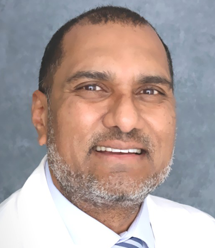
Indrin Chetty, PhD, MS, FASTRO
Cedars-Sinai Medical Center, Los AngelesHow would ASTRO's Strategic Plan inspire you (your leadership) as an ASTRO Board Member?
ASTRO's mission — to improve the lives of people with cancer through equitable, high-quality radiation therapy — resonates with my professional commitment to advancing safe, evidence-based, innovative and patient-centered care. Throughout my career as a medical physicist, investigator, educator and leader, I have worked at the interface of clinical quality, technology implementation, multidisciplinary collaboration and translational research. If elected to the ASTRO Board, I would bring this perspective to help strengthen ASTRO's leadership across four essential pillars.
Driving high-quality care:
Radiation oncology is increasingly complex, with rapid advances in adaptive radiotherapy, image guidance, automation, artificial intelligence, radiopharmaceuticals and data-driven decision support. ASTRO must continue to provide clear, practical guidance that enables safe and effective adoption of these innovations across heterogeneous practice settings. My experience leading quality and safety initiatives, for instance, related to ASTRO adaptive radiotherapy safety guidelines, lung cancer quality metrics, SBRT/SRS practice standards and membership on the Clinical Affairs Quality Council (CAQC) leadership team positions me favorably to strongly support the mission of high-quality care and the associated attention to rigorous standards, multidisciplinary engagement, measurable outcomes and scalable workflows.
Enhancing research and innovation:
ASTRO is uniquely positioned to accelerate discovery by convening clinicians, physicists, biologists, data scientists, industry partners, patient advocates and funding agencies. As a Board member, I would support initiatives that expand research funding, foster multi-institutional collaboration, mentor investigators and promote responsible translation of emerging technologies into clinical practice.
Cultivating fuller engagement with the radiation oncology community:
The strength of ASTRO lies in its members — radiation oncologists, physicists, biologists, dosimetrists, therapists, nurses, administrators, trainees and community partners. I would advocate for inclusive engagement models that strengthen academic-community partnerships, elevate early-career voices and the evolving needs of the entire radiation oncology team.
Fostering an inclusive workforce and improving access to equitable care:
Equitable cancer care requires both an inclusive workforce and systems that reduce barriers to timely, high-quality radiation therapy. ASTRO should continue to lead efforts to expand access, address disparities and prepare the next generation of radiation oncology professionals. My own leadership has emphasized mentorship and promotion of inclusive teams, quality/safety initiatives and building of research capacity among medical physicists and multidisciplinary teams. As a Board member, I would support programs that broaden pathways into radiation oncology, strengthen mentorship and leadership development and ensure that innovation benefits all patients.
I would be honored to serve ASTRO and its members by advancing a vision of radiation oncology that is safe, innovative, inclusive, collaborative and centered on improving the lives of patients.
EDUCATION
- PhD, Medical Physics, University of California, Los Angeles, 1999
- MS, Medical Physics, University of California, Los Angeles, 1996
- BS, Physics and Mathematics, High Distinction (equivalent of summa cum laude), University of Michigan, Ann Arbor, 1994
ACADEMIC APPOINTMENTS
- Acting Professor, Department of Radiation Oncology, Cedars-Sinai Medical Center, Los Angeles, 2023 - present
- Vice-chair and Division Director, Medical Physics, Department of Radiation Oncology, Cedars-Sinai Medical Center, 2023 - present
- Wendel W. Anderson Endowed Chair, Henry Ford Cancer Institute, 2019 - 2022
- Vice-chair, Academics, Department of Radiation Oncology, Henry Ford Cancer Institute, 2019 - 2021
- Professor, Radiation Oncology, Wayne State University School of Medicine, 2014 - 2022; Associate Professor, 2008 - 2022
- Director, Medical Physics Division, Department of Radiation Oncology, Henry Ford Health System, 2007 - 2022
- Associate Professor with Tenure / Associate Director of Radiation Physics, University of Nebraska Medical Center, 2006 - 2007
- Assistant Professor and Instructor, Department of Radiation Oncology, University of Michigan, 2000 - 2006
HOSPITAL AND CLINICAL APPOINTMENTS
- Director, Medical Physics Division, Department of Radiation Oncology, Cedars-Sinai Medical Center, 2023 - present
- Director, Medical Physics Division, Department of Radiation Oncology, Henry Ford Health System, 2007 - 2022
- Assistant Professor, University of Michigan, Department of Radiation Oncology, Lead Clinical Physicist, Department of Radiation Oncology, Veterans Administration Medical Center, Ann Arbor, 2000 - 2006
SERVICE TO ASTRO
- Vice-chair, ASTRO Clinical Affairs and Quality Committee, 2024 - 2026
- Vice-chair, ASTRO Chiefs of Academic Medical Physics Society (CHAMPS), 2025 - 2026
- NSCLC Locally Advanced Guideline Task Force Member, 2025 - 2026
- Co-chair, ASTRO Adaptive RT Safety White Paper Task Force, 2023 - 2024
- Co-chair, ASTRO-VA Stereotactic Quality Measures Panel, 2025 - 2026
- Member, ASTRO AI Resource Panel, 2024 - 2026
- Member, AI Consensus Paper Task Force, 2025 - 2026
- Member, Scientific Review Panel, 2024 - 2026
- Member, Fellows Selection Committee, 2024 - 2025
- Member, Slate of Candidates, 2026 - 2027
- Chair, Annual Meeting Track - Physics/Radiation Physics, 2013 - 2016; Member, 2016 - 2017, 2019 - 2022 and 2024 - 2026
- Chair, Multidisciplinary Q&A Subcommittee, 2012 - 2013; Vice-chair, 2010 - 2012; Immediate Past Chair, 2013 - 2014
- Member, Lung VA Measure Panel, NSCLC Locally Advanced Guideline Task Force, DVH Compendium VA Panel, Physics Core Curriculum Task Force, ROI Research Committee, Education Committee and Emerging Technology Evaluations Subcommittee
- Co-chair, ASTRO Science Council Steering Committee, 2014 - 2015; Member, 2012 - 2013
- Member, Annual Meeting Scientific Committee, 2006 - 2015
SERVICE TO OTHER ONCOLOGY OR RADIOLOGY ORGANIZATIONS
- American Association of Physicists in Medicine (AAPM)
- Member, Science Council (SC), 2021 - present
- Member, Medical Physics Institute Board (SC Liaison), 2024 - present
- Member, Working Group on Science Council EDI, 2021 - present
- Member, Awards and Honors Committee, 2021 - 2024
- Vice-chair, Radiation Dosimetry & Treatment Planning Subcommittee, 2019 - 2020
- Vice-chair, Research Committee, 2013 - 2014
- Chair, Working Group on New Research Initiatives (WGNRI), 2012 - 2014
- Director, Therapy Scientific Program Subcommittee (SPS), 2010 - 2011
- Co-director, Therapy Scientific Program Subcommittee (SPS), 2010 - 2011
- Member, WGNRI, 2007 - 2012
- Task Group No. 157 - Commissioning of beam models in Monte Carlo-based clinical treatment planning (TG157)
- Chair, Task Group No. 105 Monte Carlo in Clinical Treatment Planning, 2003 - 2008
- American Radium Society (ARS)
- Member, Appropriate Use Criteria (AUC) Committee for Lung Cancer, 2019 - 2021
- Member, ARS Annual Meeting Planning Committee, 2017 - 2020; 2024 - 2025
- NRG/RTOG
- Leader, SBRT Sub-committee, 2013 - 2017
BIOGRAPHICAL SKETCH
Indrin J. Chetty, MS, PhD, is Professor, Vice-chair of Research and Director of the Medical Physics Division in the Department of Radiation Oncology at Cedars-Sinai Medical Center (2023 - present). Dr. Chetty has built a career at the intersection of technology innovation, clinical innovation, multidisciplinary collaboration and academic mentorship. He graduated from the UCLA Department of Physics in Biology and Medicine in 1999, after which he joined the University of Michigan (UM) Department of Radiation Oncology as a faculty physicist in early 2000. At UM he advanced the role of dose algorithms in treatment planning for lung cancers and was awarded an NCI R01 grant as principal investigator (PI) in 2005 to study the correlation between dose and outcomes for patients with lung cancers. He joined Henry Ford Hospital in 2007 where he served for 16 years as Head of the Medical Physics Division, Vice-chair for Academics and was awarded Wendel W. Anderson Endowed Chair (2019). Dr. Chetty has been an active ASTRO member for more than two decades, with extensive service in science, education, safety/quality and leadership activities. He has also been an active member of the AAPM. He is a Fellow of ASTRO and AAPM and has mentored numerous medical physicists, residents, trainees and investigators toward academic leadership and extramural research success. He has published over 215 peer-reviewed articles.
Education Council Vice-chair
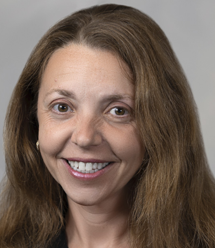
Beth Beadle, MD, PhD, FASTRO
Stanford University, Palo Alto, CaliforniaHow would ASTRO's Strategic Plan inspire you (your leadership) as an ASTRO Board Member?
ASTRO's Strategic Plan includes a diverse set of goals to move our field forward. Ultimately, I believe that respecting the various opinions in our field is the most important piece of accomplishing these goals. If chosen to be Vice Chair of the Education Council, my goal would be to make ASTRO a place for all. Some ideas:
"Goal: ASTRO will cultivate fuller engagement with radiation oncology community"
The best way to learn from each other is to include everyone in the conversation. For the Annual Meeting, opening session submission to all strengthened the program and created opportunities for anyone to present, even those that disagreed with ASTRO!
The Education Council can increase the opportunity for individuals to participate as educators by including representatives from a variety of settings (community, satellite, academic, government, physician-scientist, industry) in all aspects of the education mission.
"Goal: ASTRO will foster a diverse workforce and improve access to equitable care"
Most students do not even know what radiation oncology is! Finding ways to demonstrate our role to students, patients and colleagues from different backgrounds is crucial.
The Education Council can increase the visibility of the field by supporting outreach to community organizations and academic institutions to support the visibility of radiation oncology opportunities (including radiation therapy, medical physics and dosimetry).
"Goal: ASTRO will drive high quality care"
We need to support the development of novel technology and ensure that "new" things are valuable (and not just new).
The Education Council can create opportunities to share rigorous research findings and discuss the prudent application of novel techniques across different practice types.
"Goal: ASTRO will lead policy advocacy"
Radiation oncologists work in different areas and practice structures; when advocating, we need to understand the impact to all.
The Education Council can support the use of focus groups to understand the implications of advocacy decisions on practitioners throughout the field.
"Goal: ASTRO will enhance research and innovation in the field"
The umbrella of ASTRO includes a remarkable group of innovative researchers. There is an opportunity to support meaningful collaboration for scientific progress, patient care and education.
The Education Council can grow opportunities for funding, incentivize collaboration, provide a platform to share research and highlight practice-changing advancements.
"Goal: ASTRO will showcase the patient benefits of radiation therapy"
Patient-facing education and outreach often fall to an individual practice and depend on regular updates to be relevant.
The Education Council can augment the resources available to all practices to educate patients, referring providers and the community about the role of radiation therapy, its logistics and best practices.
"Goal: ASTRO will ensure access to innovative education"
We all learn in different ways; it is imperative to create educational content in a variety of formats.
The Education Council can engage with representatives of ASTRO and ARRO throughout the career continuum to ensure that there is content that is in a format that is useful for them and engage new educators.
EDUCATION
- MD, Northwestern University, Chicago, 2004
- PhD, Structural Biology and Biochemistry, Northwestern University, Chicago, 2002
- BA, Chemistry, Northwestern University, Evanston, Illinois, 1996
POSTGRADUATE EDUCATION
- Resident, Radiation Oncology, University of Texas MD Anderson Cancer Center, Houston, 2005 - 2009
- Internship, General Surgery, Northwestern University, Chicago, 2004 - 2005
ACADEMIC APPOINTMENTS
- Professor, Radiation Oncology, Stanford University, Stanford, California, 2020 - present
- Associate Professor, Radiation Oncology, Stanford University, Stanford, California, 2017 - 2020
- Associate Professor, University of Texas MD Anderson Cancer Center, Houston, 2015 - 2017
- Assistant Professor, University of Texas MD Anderson Cancer Center, Houston, 2009 - 2015
HOSPITAL APPOINTMENTS
- Faculty, Radiation Oncology, Stanford University, Stanford, California, 2017 - present
- Faculty, Radiation Oncology, University of Texas MD Anderson Cancer Center, Houston, 2009 - 2017
SERVICE TO ASTRO
- Chair, Annual Meeting Education Committee, 2023 - 2026
- Vice-chair, Annual Meeting Education Committee, 2021 - 2023
- Member, Annual Meeting Education Committee, 2014 - 2021
- Chair, Annual Meeting Education – Head and Neck Track, 2018 - 2021
- Member, Annual Meeting Education – Head and Neck Track, 2018 - 2021
- Chair, Annual Meeting Science – Head and Neck Track, 2017 - 2020
- Vice-chair, Annual Meeting Science – Head and Neck Track, 2016 - 2017
- Member, Annual Meeting Science – Head and Neck Track, 2013 - 2016
- Vice-chair, Scientific Review Committee, 2025 - 2026
- Member, Scientific Review Committee, 2020 - 2025
- APEx Surveyor, 2022 - 2026
- Red Journal Associate Editor, 2020 - 2022
SERVICE TO OTHER ONCOLOGY OR RADIOLOGY ORGANIZATIONS
- ASCO (American Society of Clinical Oncology)
- Co-chair, Systemic Therapy for Thyroid Cancer Guideline, 2024 - 2026
- Member, Salivary Gland Malignancy Guideline, 2019 - 2021
- Member, Osteonecrosis of the Jaw Panel, 2016 - 2024
- ARS (American Radium Society)
- Chair, Annual Meeting Scientific Program, 2018
- Secretary, American Radium Society Board, 2018 - 2021
- Member, Awards Committee, 2017 - 2020
- Member-at-Large, American Radium Society Executive Committee, 2014 - 2016
- Member, Membership and Credentials Committee, 2015 - 2021
- NRG Oncology
- Member, Head and Neck Committee, 2017 - 2026
- Member and Head and Neck Liaison, Cancer Prevention and Control Committee, 2020 - 2026
- Member, Ancillary Projects Committee, 2023 - 2026
- ABR (American Board of Radiology)
- Writer, Head and Neck Written Boards Examination, 2022 - 2026
- Examiner, Head and Neck Oral Boards Examination, 2024 - 2026
BIOGRAPHICAL SKETCH
My name is Beth Beadle, and I am honored to be nominated to be Vice Chair of the Education Council.
Within ASTRO, I have served in numerous volunteer roles. As chair of the Annual Meeting Education Committee, I am proud to be part of a team that has increased the number of individual speakers, grown the PRO track and collaborated with the Science Council to highlight innovative science. I serve as an APEx surveyor; I learn by visiting practices seeking accreditation and watching them demonstrate their quality initiatives.
As an educator, I work with trainees at all levels. I chair the promotions and tenure committee at Stanford's School of Medicine. I am pleased to be named an ARRO Educator of the Year. I co-direct the cancer biology course for all medical students, and I created an undergraduate seminar, which examines cancer in media and social media. At each career stage, I believe there is an opportunity to connect motivated learners with motivated teachers.
My research interests involve "doing cool things with cool people." I have engaged in clinical, translational and global health research. With my physics colleagues at MD Anderson, I am proud of serving as the clinical lead in the Radiation Planning Assistant, an automated contouring and treatment planning system for low-resource settings.
My experiences in radiation oncology, and ASTRO, have been remarkable. I have had the benefit of excellent mentors (including Dr. Rosenzweig, who would also do a great job!). I strive to continue this legacy.
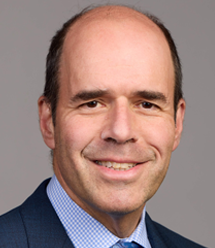
Kenneth Rosenzweig, MD, FASTRO
Icahn School of Medicine at Mount Sinai, New YorkHow would ASTRO’s Strategic Plan inspire you (your leadership) as an ASTRO Board Member?
Several priorities are important to me, both professionally and personally:
- Investing in the next generation of radiation oncologists. My daughter is currently training to become a radiation oncologist, giving me a personal perspective on the challenges facing future practitioners. ASTRO Board Members must focus on keeping the specialty sustainable for the next 30 years through ASTRO’s commitment to education and advocacy. For example, in my work helping to organize the Annual Meeting, we have made a special effort to educate members about the use of radiation for nonmalignant conditions. This was actionable information that practitioners could bring back to their clinics. I will also continue to support educational programs that prepare trainees, early career physicians and experienced doctors for leadership, practice management and career sustainability.
- Addressing the economic future of the specialty. The financial pressures facing radiation oncology affect physicians, practices and ultimately patients. ASTRO’s goals of protecting scope of practice and promoting fair reimbursement are critical to maintaining the specialty. Obviously, AI and the increased use of particle therapy is changing radiation oncology in real time, but ASTRO must remain nimble to address unforeseen changes that will inevitably arise.
- Advancing equity and global access to cancer care. I had the privilege of helping the government of Guyana establish a national cancer program. That experience reinforced my belief that where a patient lives should not determine whether they receive cancer treatment. I will continue to support ASTRO’s focus on reducing disparities, improving access to equitable care, and educating clinicians on their role in advancing health equity. I will work to help members deliver outstanding care to all populations and learn from successful models both within the United States and around the world.
- Expanding educational access and engagement. ASTRO’s educational offerings must remain relevant as radiation oncologists progress through their careers. No one practices radiation oncology like it was done 30 years ago and ASTRO must be poised to lead educational efforts as the specialty continues to evolve.
EDUCATION
- MD, Yale University School of Medicine, New Haven, CT, 1992
- ScB with Honors, Brown University, Providence, RI, 1988
POSTGRADUATE EDUCATION
- Resident, Radiation Oncology, Joint Center for Radiation Therapy (Harvard), Boston, MA, 1993 - 1997
- Intern, Internal Medicine, Beth Israel Hospital, Boston, MA, 1992 - 1993
ACADEMIC APPOINTMENTS
- Professor and Chair, Department of Radiation Oncology, Icahn School of Medicine at Mount Sinai, New York, NY, 2010 - present
- Associate Member, Department of Radiation Oncology, Memorial Sloan Kettering Cancer Center, 1997 - 2010
HOSPITAL APPOINTMENTS
- Department of Radiation Oncology, Icahn School of Medicine at Mount Sinai, New York, NY, 2010 - present
- Department of Radiation Oncology, Memorial Sloan Kettering Cancer Center, 1997 - 2010
SERVICE TO ASTRO
- Chair, Annual Meeting Scientific Committee, 2023 - present
- Member, FASTRO Selection Committee, 2026 - present
- Member, SCAROP, 2011 - present
- Reviewer, Lung Cancer Track, Annual Meeting, 2001 - present
- Vice-chair, Annual Meeting Scientific Committee, 2022 - 2023
- Chair, Small Cell Lung Cancer Guidelines Committee, 2018 - 2020
- Chair, Lung Track, ASTRO Annual Meeting Scientific Committee, 2016 - 2018
- Vice-chair, Lung Track, ASTRO Annual Meeting Scientific Committee, 2012 - 2015
- Member, ASTRO Emerging Technology Committee, 2010 - 2015
- Member, ASTRO Panel Guidelines for Palliative Care, 2010 - 2012
- Member, ASTRO Panel Guidelines for Lung Cancer, 2012 - 2014
- Advocacy Day Attendee
SERVICE TO OTHER ONCOLOGY OR RADIOLOGY ORGANIZATIONS
- Trustee, American Board of Radiology, 2024 - present
- Member, Data Safety Monitoring Committee, NRG-RTOG, 2003 - present
- Chair, Written Exam (Lung/Sarcoma), American Board of Radiology, 2017 - 2023
- Vice-chair and Member, Accreditation Council for Graduate Medical Education, Radiation Oncology Residency Review Committee, 2015 - 2021
- Vice-chair, Written Exam (Lung/Sarcoma), American Board of Radiology, 2011 - 2017
- President, American Radium Society, 2014 - 2015
- President-elect, American Radium Society, 2013 - 2014
- Chair, American College of Radiology Appropriateness Criteria, Lung Cancer, 2010 - 2013
- Oral Board Examiner, American Board of Radiology, 2004 - present
- President, New York Roentgen Society, 2000 - 2001
BIOGRAPHICAL SKETCH
I am currently Chair of the Department of Radiation Oncology at Mount Sinai in New York and I am Scientific Chair of the ASTRO Annual Meeting where I have worked to inform radiation oncologists worldwide about important trends and developments that will improve their practice. I have had some specific experiences that are relevant to serving as Vice Chair of the Education Council:
- Education – I have been a residency program director at two institutions (MSKCC and Mount Sinai) as well as serving on the ACGME to review residency programs and establish new program guidelines.
- Leadership – I have been President of the American Radium Society and held leadership positions in other organizations and committees, including ASTRO. I am also a long time Councilman in my hometown of Englewood, New Jersey, so I have real world experience working with a wide range of constituents helping them with their day-to-day issues, handling larger concerns such as housing and public safety as well as managing a $70 million budget.
- Financial – As a Chair, I manage a department of over 200 people. I have extensive experience in educating practicing radiation oncologists in both academics and the community practice on ways to maximize their work for improved patient care and quality as well as revenue enhancement.
Government Relations Council Vice-chair
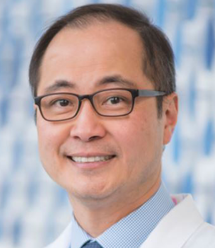
John Suh, MD, FASTRO
Cleveland Clinic Foundation, ClevelandHow would ASTRO's Strategic Plan inspire you (your leadership) as an ASTRO Board Member?
Since ASTRO is the largest organization representing radiation oncology professionals, it plays a pivotal role in shaping the future of our specialty. ASTRO's Strategic Plan serves as both an inspiration and a roadmap for leadership grounded in advocacy, collaboration, research, education and service. As a candidate for Vice Chair of Government Relations, I am committed to advancing these priorities and ensuring that ASTRO remains a trusted, influential voice on behalf of our members, our patients and the future of radiation oncology.
My leadership approach would be guided by ASTRO's strategic vision to proactively address the legislative and regulatory challenges affecting patient care, physician practices and the radiation oncology workforce. Through effective advocacy and strong partnerships with policymakers, we can ensure that decisions impacting our specialty are informed by evidence, focused on patient outcomes and reflective of the realities faced by radiation oncology professionals across diverse practice settings.
Protecting and advancing access to high-quality, evidence-based and cost-effective radiation therapy is paramount to our field. Given the barriers that patients face, which include disparities in access, coverage limitations and financial challenges, I will advocate for policies that reduce these obstacles while ensuring reimbursement and coverage decisions appropriately recognize the clinical value, innovation and essential role of radiation oncology. The Radiation Oncology Case Rate (ROCR) model represents a significant opportunity for our specialty to lead meaningful payment reform. By advancing a model that rewards quality, supports innovation and preserves patient access, radiation oncologists can help shape a sustainable reimbursement framework that benefits both patients and providers.
Research, education, workforce development and innovation are paramount to the future of our specialty. As support for cancer research and clinical trials face increasing challenges, we should advocate for policies that accelerate scientific discovery and expand access to clinical research opportunities. These investments will help make radiation oncology more precise, personalized and impactful for patients and also foster emerging applications in functional radiation medicine.
Since I have always believed that people are the greatest asset of any organization, a strong, diverse and engaged workforce is paramount to the success of radiation oncology. Initiatives that promote workforce sustainability, caregiver well-being, leadership development, mentorship and professional growth are needed. By doing this, we strengthen our specialty and ensure it remains an attractive and rewarding field for future generations.
As Vice Chair of Government Relations, I would bring a collaborative and thoughtful leadership style, a deep commitment to advocacy and focus on delivering value to ASTRO members. Together, we can advance policies that improve patient access and outcomes, strengthen reimbursement stability, support research and innovation, foster workforce development and secure a vibrant future for radiation oncology. By elevating the voice of our specialty and engaging ASTRO members, we can continue to improve the lives of patients with cancer and nonmalignant conditions while driving positive change within radiation oncology.
EDUCATION
- MD, University of Miami, 1990
- BS, Biology (Cum Laude), University of Miami, 1987
POSTGRADUATE EDUCATION
- Fellow, Radiation Oncology, Cleveland Clinic, Cleveland, OH, 1994 - 1995
- Resident, Radiation Oncology, Cleveland Clinic, Cleveland, OH, 1991 - 1994
- Internship, Cleveland Clinic, Cleveland, OH, 1990 - 1991
ACADEMIC APPOINTMENTS
- Professor, Radiation Oncology, Cleveland Clinic Lerner College of Medicine, 2011 - present
HOSPITAL APPOINTMENTS
- Enterprise Chair, Department of Radiation Oncology, Cleveland Clinic, 2024 - present
- Chair, Department of Radiation Oncology, Cleveland Clinic, 2006 - 2024
- Brain Tumor and Neuro-oncology Center, Cleveland Clinic, 2002 - present
- Department of Radiation Oncology, Cleveland Clinic, 1995 - present
SERVICE TO ASTRO
- Chair, Government Relations Committee, 2024 - present
- Member, Government Relations Committee, 2010 - present
- Member, Advisory Committee of Medical Uses of Isotopes for NRC, 2010 - 2018
- Member, Education Committee, 2010 - 2018
- Co-director, AANS-ASTRO radiosurgery and SBRT course for senior neurosurgery and radiation oncology residents, 2012, 2014, 2017
SERVICE TO OTHER ONCOLOGY OR RADIOLOGY ORGANIZATIONS
- American Board of Radiology
- Trustee Member, 2019 - present
- Oral Board Chair for CNS/Pediatrics, 2007 - 2019
- Member, Radiation Oncology Program Committee, 2002
- International Stereotactic Radiosurgery Society
- Board Member, 2016 - 2022
- Board Member, 2002 - 2008
- Chair, Membership Committee, 2003 - 2005
- International Radiosurgery Research Society
- Secretary and Treasurer, 2022 - present
Healthcare Access and Community Engagement
Council Vice-chair
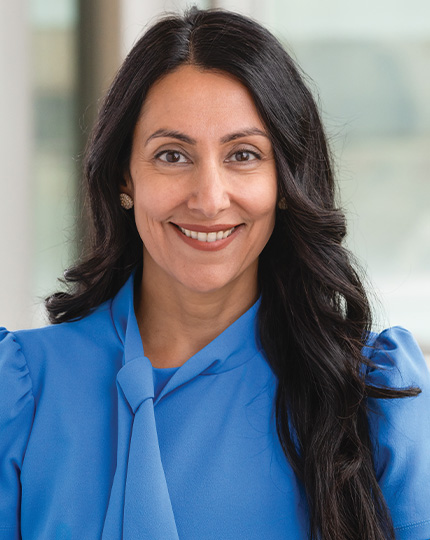
Gita Suneja, MD, MS, FASTRO
University of Utah Huntsman Cancer Institute, Salt Lake CityHow would ASTRO's Strategic Plan inspire you (your leadership) as an ASTRO Board Member?
One of the reasons I have remained active in ASTRO and the ASTRO Foundation throughout my career is that I believe our Society is at its best when it brings people together to solve problems that no one practice, institution or discipline can solve alone. Whether developing clinical guidelines, advancing research, advocating for our patients or supporting one another as colleagues, ASTRO has always been strongest when it unites our profession around shared goals. ASTRO's Strategic Plan captures that spirit well, and the goals it lays out for community engagement, access to care and investing in the next generation reflect what I have tried to work toward throughout my career.
As both a practicing radiation oncologist and a researcher, I have spent a lot of time on questions that I believe matter to everyone in this specialty: are our patients actually getting the care they need? If not, why not? This has taken me from clinical trials to health policy to international collaboration. I have sought to learn how to reduce barriers to treatment, help evidence become everyday practice and make sure radiation remains available to all the patients who could benefit from it. I believe ASTRO has a unique responsibility to serve as the trusted voice for our specialty, promoting innovation while ensuring our field stays vibrant and visible.
One of ASTRO's greatest responsibilities is investing in its people. Every stage of my career has been shaped by mentors, collaborators and colleagues who encouraged and engaged me. Mentoring students, residents, junior faculty and early-career investigators has been one of the most rewarding parts of my professional life, because today's trainees will shape the future of our field, and ASTRO plays an essential role in creating opportunities for them to learn, contribute and lead.
If elected to the ASTRO Board, I will bring the perspective of a clinician, researcher, educator and longtime volunteer who values listening, collaboration and thoughtful leadership. Most importantly, I will remain focused on the reason we all chose this profession: improving the lives of the patients we serve.
EDUCATION
- MS, Health Policy Research, University of Pennsylvania Perelman School of Medicine, 2014
- MD, Warren Alpert Medical School of Brown University, 2008
- BA, Mathematical Methods in Social Sciences (Honors) / Economics, Magna Cum Laude, Northwestern University, 2002
POSTGRADUATE EDUCATION
- Chief Resident, Radiation Oncology, University of Pennsylvania Perelman School of Medicine, 2012 - 2013
- Residency, Radiation Oncology, University of Pennsylvania Perelman School of Medicine, 2009 - 2012
- Internship, Internal Medicine, University of Pennsylvania Perelman School of Medicine, 2008 - 2009
ACADEMIC APPOINTMENTS
- Professor, Radiation Oncology; Adjunct Professor, Population Health Sciences, University of Utah, 2024 - present
- Associate Professor, Radiation Oncology & Population Health Sciences, University of Utah, 2019 - 2024
- Associate Professor, Radiation Oncology & Duke Global Health Institute, Duke University School of Medicine, 2016 - 2019
- Assistant Professor, Radiation Oncology, University of Utah School of Medicine, 2014 - 2016
- Instructor, Radiation Oncology, University of Pennsylvania School of Medicine, 2013 - 2014
SERVICE TO ASTRO
- Chair, Healthcare Access and Community Engagement Steering Committee, 2024 - present
- Vice-chair, Healthcare Access and Community Engagement Steering Committee, 2022 - 2024
- Member, Healthcare Access and Community Engagement Council, 2015 - present
- Chair, Annual Meeting Scientific Committee, Health Services Research Track, 2020 - 2023
- Vice-chair, Annual Meeting Scientific Committee, Health Services Research Track, 2016 - 2020
- Member, Annual Meeting Scientific Committee, Health Services Research Track, 2013 - 2016
- Member, Annual Meeting Scientific Committee, 2016 - 2023
- Associate Editor, Advances in Radiation Oncology, 2018
- Member, Health Equity Education Committee, 2022
- Member, Comparative Effectiveness Research Resource Panel, 2016 - present
- Member, Endometrial Cancer Guideline Task Force, 2020 - 2022
- Member, Workforce Task Force, 2021 - 2022
- Member, Gender Ad Hoc Task Force, 2019 - 2020
- Member, CME/MOC Committee, 2015 - 2020
- ASTRO Advocacy Day Participant
SERVICE TO THE ASTRO FOUNDATION
- President, Board of Trustees, 2024 - present
- Vice-chair, Board of Trustees, 2022 - 2024
- Chair, Nominating/Governance Committee, 2023 - 2024
- Member, Board of Trustees, 2019 - present
- Chair, Research Committee, 2017 - 2022
SERVICE TO OTHER ONCOLOGY ORGANIZATIONS
- National Cancer Institute: Special Emphasis Panel Reviewer (2025); Committee Member, Howard – Hopkins Comprehensive Partnerships to Advance Cancer Health (2026 - present)
- National Comprehensive Cancer Network: Co-chair, AIDS-Related Kaposi Sarcoma Panel and Cancer in the HIV Population Guidelines Panel, 2017 - present
- American Board of Radiology: Member, Radiation Oncology GYN Section Oral Exam Committee, 2018 - 2025
- American Brachytherapy Society: Member, International Committee, 2017 - 2022; Co-chair, GYN School Planning Committee, 2023 - 2024
- American Society of Clinical Oncology: Faculty, Annual Meeting
- AIDS Malignancy Consortium: Principal Investigator, 2022 - present
BIOGRAPHICAL SKETCH
Gita Suneja, MD, MS, FASTRO, is Professor of Radiation Oncology and Adjunct Professor of Population Health Sciences at Huntsman Cancer Institute at the University of Utah, where she specializes in the treatment of breast and gynecologic cancers. Her career has focused on improving how radiation oncology is delivered through clinical care, research, education and professional service. Her work has been funded by the National Institutes of Health and has produced more than 140 publications.
Dr. Suneja has been an active ASTRO member for nearly 15 years and has served the Society in numerous roles. She currently serves as Chair of the Healthcare Access and Community Engagement Steering Committee and as President of the Board of Trustees of Speed of Light – The ASTRO Foundation (formerly called Radiation Oncology Institute). She previously chaired the ASTRO Annual Meeting Health Services Research Track and has served on the Comparative Effectiveness Research Resource Panel, Workforce Task Force, CME/MOC Committee and Endometrial Cancer Guideline Task Force, among others. She also served as Associate Editor for Advances in Radiation Oncology and co-chairs the NCCN Clinical Practice Guidelines panels for Cancer in People with HIV and AIDS-Related Kaposi Sarcoma. Mentoring students, residents, fellows and junior faculty has been one of the most rewarding parts of her professional life. She is honored to be considered for election as HACE Council Vice-chair.
Nominating Committee - Academic Physician
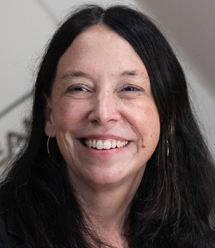
Karen Hoffman, MD, FASTRO
MD Anderson Cancer Center, HoustonHow would ASTRO's Strategic Plan inspire you/your leadership, as a member of the ASTRO Nominating Committee, and your vision of characteristics of future ASTRO leaders?
I would be honored to serve on ASTRO's Nominating Committee and help identify leaders who will guide our Society through the opportunities and challenges facing radiation oncology.
ASTRO's Strategic Plan is particularly meaningful to me because its goals of advancing high-quality, patient-centered care, supporting a thriving workforce, fostering innovation and advocating for our specialty all depend on strong leadership. Achieving these priorities will require individuals who can build consensus, navigate a rapidly evolving healthcare environment and uphold ASTRO's mission and values.
As a member of the Nominating Committee, I would seek leaders who not only achieve results but also invest in others, promote collaboration and create opportunities for growth. It would be a privilege to help select future ASTRO leaders who will advance the Society's strategic vision and strengthen our specialty.
EDUCATION
- MPH, Concentration in Healthcare Management, Harvard School of Public Health, Boston, 2008
- MHSc, Clinical Research, Duke University, Durham, North Carolina, 2006
- MD, Duke University School of Medicine, Durham, North Carolina, 2004
- BA, Biology, University of Virginia, Charlottesville, Virginia, 1997
POSTGRADUATE EDUCATION
- Resident, Radiation Oncology, Harvard Radiation Oncology Program, Boston, 2005 - 2009
- Intern, Transitional Medicine, Georgetown University Hospital and INOVA Fairfax Hospital, Washington, DC/Fairfax, Virginia, 2004 - 2005
ACADEMIC APPOINTMENTS
- Professor with Tenure, Department of Radiation Oncology, The University of Texas MD Anderson Cancer Center, Houston, 2021 - present
- Associate Professor with Tenure, Department of Radiation Oncology, The University of Texas MD Anderson Cancer Center, Houston, 2015 - 2021
- Assistant Professor, Department of Radiation Oncology, The University of Texas MD Anderson Cancer Center, Houston, 2009 - 2015
ADMINISTRATIVE APPOINTMENTS
- Division Professionalism Ambassador, MD Anderson Cancer Center, 2025 - present
- Chair, Ascending Senior Faculty Academic Career Development Committee, MD Anderson Cancer Center, 2025 - present
- Center Medical Director, Radiation Oncology, MD Anderson Cancer Center, 2021 - present
- Associate Medical Director, Radiation Oncology, MD Anderson Cancer Center, 2020 - 2021
- Patient Safety and Quality Officer, Radiation Oncology, MD Anderson Cancer Center, 2019 - 2020
SERVICE TO ASTRO
- ASTRO Representative to the Commission on Cancer, 2020 - 2026
- Fellow, American Society of Radiation Oncology, 2022 - 2026
- Member, Clinical Affairs and Quality Committee, 2013 - 2017, 2020 - 2026
- Member, Annual Meeting Track – Genitourinary Cancer, 2013 - 2017, 2020 - 2021, 2022 - 2023, 2025 - 2026
- Genitourinary Lecturer, Annual Refresher Course, 2023 - 2024
- Immediate Past Chair, Guidelines Subcommittee, 2017 - 2018
- Co-Chair, Guidelines Subcommittee, 2015 - 2017
- Member, Science Workshops Task Force, 2015 - 2017
- Member, Science Steering Committee, 2012 - 2016
- Chair, Best Practices Subcommittee, 2013 - 2015
- Member, Big Data Workshop, 2014 - 2015
- Member, Registry 2.0, 2014 - 2015
- Vice-chair, Science Workshops Committee, 2013 - 2015
- Ex Officio, ROI NROR IT Infrastructure Committee, 2013 - 2014
- Member, ROI NROR Pilot Committee, 2013
- Vice-chair, Health Services Research Committee, 2012 - 2013
- Member, Best Practices Subcommittee, 2011 - 2013
- Member, Health Services Research Committee, 2011 - 2012
SERVICE TO OTHER ONCOLOGY ORGANIZATIONS
- American Society of Clinical Oncology (ASCO)
- Member, Conquer Cancer Grants Selection Committee, 2024 - 2027
- Member, ASCO Annual Meeting Program Committee, 2022 - 2025
- Member, Genitourinary Cancers Symposium Program Committee, 2012 - 2015
- Member, 2005 - 2026
- NRG Oncology
- Early Career Faculty Mentor, Genitourinary Cancer Committee, 2024 - 2026
- Member, Genitourinary Cancer Committee, 2016 - 2026
- American Radium Society
- Chair, Genitourinary Cancer Appropriate Use Committee, 2023 - 2027
- Member, Scientific Program Committee, 2020 - 2021, 2024 - 2025
- Member, Genitourinary Cancer Appropriate Use Committee, 2017 - 2027
- Commission on Cancer
- Executive Committee Member, 2020 - 2026
- Quality Integration Committee Member, 2020 - 2026
BIOGRAPHICAL SKETCH
Karen E. Hoffman, MD, MHSc, MPH, FASTRO, is Professor of Radiation Oncology, Mays Radiation Oncology Center Medical Director, and Division Professionalism Ambassador at The University of Texas MD Anderson Cancer Center. She is an internationally recognized leader in the management of genitourinary and breast cancers and in the development of evidence-based, patient-centered approaches to improve cancer outcomes and quality of life.
Dr. Hoffman's research focuses on developing shorter, less burdensome radiation treatment regimens, integrating genomics and artificial intelligence to personalize treatment, and incorporating patient-reported outcomes into clinical decision-making. Nationally, she serves as Principal Investigator or member of the leadership team for multiple multicenter randomized clinical trials that are defining standards of care in radiation oncology.
Dr. Hoffman has extensive experience in organizational and professional society leadership, including serving as former Chair of the ASTRO Guidelines Committee and leading national guideline development efforts for the American Radium Society. Dr. Hoffman has served on the program committees of ASTRO, ASCO, and ASCO Genitourinary Cancers Symposium and currently serves on the executive committee of the American College of Surgeons Commission on Cancer as ASTRO's representative. She is also the NRG Oncology Genitourinary Core Committee liaison to the Early Career and New Investigator Committee.
Dr. Hoffman earned her undergraduate degree from the University of Virginia, her MD and MHSc from Duke University, her MPH from the Harvard School of Public Health, and completed residency training in the Harvard Radiation Oncology Program.
Rachel Jimenez, MD, FASTRO
Mass General Brigham Cancer Institute, BostonHow would ASTRO's Strategic Plan inspire you/your leadership, as a member of the ASTRO Nominating Committee, and your vision of characteristics of future ASTRO leaders?
If elected to the ASTRO Nominating Committee, I will seek to elevate members of our community who can advocate for our needs as an organization while simultaneously representing our interests in advancing equitable, accessible and high-quality healthcare.
Ensure fuller engagement across the radiation oncology community: It is incumbent on our specialty to ensure a broad and robust engagement of our workforce. I would aim to engage members across the spectrum of practice environments, geography, expertise and experience levels, so that we can foster inclusion, promote collaboration and ensure that a broad range of perspectives is heard.
Foster a diverse workforce and improve access to equitable care: Strengthening diversity in the workforce can foster innovation, elevate problem-solving and enhance ethical practice. With an increasingly diverse and aging U.S. population, our field must also work to ensure that our patients receive equitable and timely access to care and identifying those with the knowledge and interest to promote these ideals is a priority.
Drive high quality care: Beyond delivering technically proficient radiation therapy, it is critical that we identify leaders who role model the highest ethical and professional ideals. I would seek to promote those with particular expertise in healthcare policy, economics and quality in order to ensure ready access to, and coverage for, the highest quality radiation oncology services.
Lead policy advocacy: I will similarly strive to identify leaders in our field who can communicate the needs of our patients to those influencing policy. This means clearly articulating, defining and defending the unique expertise of radiation oncologists to specialty interest groups, colleagues and the public.
Enhance research and innovation: At the same time, it is imperative that we attract new voices within our field and that we elevate those with an innovative spirit to push the boundaries of radiation therapy. This means advocating for radiation oncology-led investigations into radiopharmaceuticals and other targeted therapies in combination with radiation therapy as well as facilitating research funding for radiotherapy-centered investigations.
Showcase the patient benefits of radiation therapy: We must elevate leaders who can effectively highlight the unique value of radiation therapy to referring physicians, our multidisciplinary colleagues and the public. I will also endeavor to advance those members who can promote the unique strengths of our specialty to medical students and trainees, in order to attract and inspire the next generation.
Ensure access to innovative education: Finally, our field requires access to technological tools that will allow us to adapt to the rapid changes in oncology practice and the needs of the current generation of learners. I will look to promote those with the expertise to assess and refine these resources to ensure the continued excellence of our membership across practice environments.
EDUCATION
- MD, Harvard Medical School, Boston, 2009
- AB, Cognitive Neuroscience (Magna Cum Laude), Harvard College, Cambridge, Massachusetts, 2000
POSTGRADUATE EDUCATION
- Fellowship, Medical Ethics, Harvard Medical School, 2021 - 2022
- Chief Resident, Radiation Oncology, Harvard Radiation Oncology Program, 2013 - 2014
- Resident, Radiation Oncology, Harvard Radiation Oncology Program, 2010 - 2013
- Internship, Internal Medicine, Beth Israel Deaconess Medical Center, 2009 - 2010
ACADEMIC APPOINTMENTS
- Associate Professor, Radiation Oncology, Harvard Medical School, Boston, 2022 - present
- Assistant Professor, Radiation Oncology, Harvard Medical School, Boston, 2016 - 2022
HOSPITAL APPOINTMENTS
- Program Director of Breast Radiation Oncology, Mass General Brigham Cancer Institute
- Chair, Quality and Safety, Department of Radiation Oncology, Massachusetts General Hospital, 2021 - 2024
- Associate Program Director, Harvard Radiation Oncology Program, 2016 - 2022
- Medical Student Clerkship Director, Department of Radiation Oncology, Massachusetts General Hospital, 2015 - 2017
SERVICE TO ASTRO
- Editor-in-Chief, Advances in Radiation Oncology, 2024 - present
- Vice-chair, Postmastectomy Radiation Therapy Guideline, 2023 - 2025
- Member, Health Equity Education Committee, 2022 - present
- Member, Early Career Committee Working Group, 2022
- Editorial Board, International Journal of Radiation Oncology • Biology • Physics, 2022 - 2023
- Participant, Leadership Pipeline Protégé Program, 2021 - 2023
- Association of Residents in Radiation Oncology Faculty Advisor, 2020 - 2025
- Past President, President, and Vice President, ADROP, 2020 - 2023
- Member, Professional Development and Education Abstract Review Committee, 2020 - 2025
- Member, Ethics Committee, 2019 - present
- Member, Science Education and Program Development Subcommittee, 2017 - 2019
- Member, Annual Meeting Education Committee, 2017 - present
- Track Chair, 2021 - 2023
- Vice-chair, 2023 - 2026
- Chair-elect, 2026 - present
- Member, Palliative Abstract Review Committee, 2016 - 2019
- Member, Breast Abstract Review Committee, 2015 - 2018, 2025 - present
SERVICE TO OTHER ONCOLOGY OR RADIOLOGY ORGANIZATIONS
- American Society of Clinical Oncology
- Past-Chair, Chair, Chair-elect, Ethics Committee, 2024 - 2026
- Participant, Leadership Development Program, 2023 - 2024
- Editorial Board, Journal of Clinical Oncology: Oncology Practice, 2023 - present
- Member, Dosing Survey Task Force, 2021 - 2022
- Member, Bone Modifying Agents in Metastatic Breast Cancer Guideline, 2016
- American Board of Radiology
- Maintenance of Certification Advisory Committee, 2021 - present
- Initial Certification Advisory Committee, 2020 - 2025
- Oral Board Examiner, 2020 - present
- Written/Oral Board Item Writing Committee, 2017 - 2025
BIOGRAPHICAL SKETCH
Dr. Jimenez is an Associate Professor of Radiation Oncology at Harvard Medical School (HMS) and the Program Director for Breast Radiation Oncology at Mass General Brigham Cancer Institute (MGB). In addition to her passion for clinical research and patient care, Dr. Jimenez has an abiding interest in education and medical ethics.
Dr. Jimenez has been an active member of ASTRO since 2014. She currently serves as the Editor-in-Chief of Advances in Radiation Oncology and Chair-elect of the Annual Meeting Education Committee. She is also an active member of the Ethics and the Health Equity Education Committees. She is a former President of the Association of Directors of Radiation Oncology Programs (ADROP), a prior ASTRO Breast Refresher speaker, and recent Vice-chair for the 2025 ASTRO/ASCO/SSO PMRT guideline. She has also served as an ASTRO Medical Student Fellowship Mentor, an ARRO Faculty Advisor, and a long-time scientific abstract reviewer for the annual meeting.
In addition to her service to ASTRO, Dr. Jimenez is active in ASCO, serving as an Associate Editor for the Journal of Clinical Oncology: Oncology Practice, and a Past-Chair of the ASCO Ethics Committee. She is a member of the Maintenance of Certification Advisory Committee for the ABR and is an oral board examiner in breast cancer. Dr. Jimenez is enthusiastic about identifying and promoting talent from a wide range of backgrounds within ASTRO and the field of radiation oncology at-large and is gratified by the opportunity to further this mission.
Nominating Committee - Community Practice Physician
Virginia Diavolitsis, MD
Riverside Radiation Oncology, Columbus, OhioHow would ASTRO's Strategic Plan inspire you/your leadership, as a member of the ASTRO Nominating Committee, and your vision of characteristics of future ASTRO leaders?
ASTRO's Strategic Plan resonates strongly with my professional journey because it reflects many of the challenges and opportunities I have encountered throughout my career in both academic and community practice settings. Having spent six years in academic medicine and nine years in community practice, I have developed an appreciation for the diversity of ASTRO's membership and the varied environments in which radiation oncologists deliver care. This perspective would guide my service on the ASTRO Nominating Committee.
The Strategic Plan's emphasis on cultivating engagement across the radiation oncology community is particularly important. ASTRO serves members with different practice models, career stages, geographic locations and professional interests. My experience working in both academic and community settings, and in urban, suburban and rural practice locations has shown me that effective leadership requires understanding these diverse perspectives and ensuring that all members feel represented. As a member of the Nominating Committee, I would seek leaders who are not only accomplished in their own domains, but who also demonstrate the ability to listen, collaborate and build bridges across the specialty.
The goals related to equitable access, high-quality care and policy advocacy are also central to my leadership philosophy. In community practice, I have been directly involved in hospital negotiations, adapting to evolving insurance and reimbursement landscapes, preparing for potential implementation of the Radiation Oncology Case Rate (ROCR) model, and overseeing MIPS participation. I have been part of our group's efforts to expand radiation therapy indications to noncancerous conditions, expanding referral patterns to other specialties. These experiences have reinforced the importance of leaders who understand both the clinical and operational realities of radiation oncology and who can effectively advocate for policies that preserve patient access to high-quality care, and maximize efficiencies in healthcare.
ASTRO's commitment to research, innovation and education highlights another characteristic I value in future leaders: the ability to embrace change while remaining grounded in evidence-based medicine and patient-centered care. The future of radiation oncology will require leaders who can navigate technological advances, shifting indications for radiation, evolving payment models, workforce challenges and healthcare disparities while keeping patients' interests at the forefront.
As a member of the Nominating Committee, I would identify leaders who reflect the breadth of ASTRO's membership and who bring diverse experiences, perspectives and expertise to the organization. Future ASTRO leaders should be collaborative, forward-thinking, inclusive and committed to service. They should understand the realities of both academic and community practice, value mentorship and workforce development, and possess the credibility to advocate effectively for our patients and profession.
Ultimately, ASTRO's Strategic Plan inspires me to help ensure that the Society's leadership reflects the full spectrum of radiation oncologists and remains focused on advancing equitable, high-quality care for all patients receiving therapeutic radiation.
EDUCATION
- MD, Northwestern University, Chicago, 2006
- BA, Molecular Biology, Princeton University, Princeton, New Jersey, 2002
POSTGRADUATE EDUCATION
- Resident, Radiation Oncology, Northwestern University, Chicago, 2007 - 2011
- Internship, Internal Medicine, Rush University, Chicago, 2006 - 2007
ACADEMIC APPOINTMENTS
- Assistant Professor, Radiation Oncology, Ohio State University, Columbus, Ohio, 2011 - 2017
HOSPITAL APPOINTMENTS
- Partner, Riverside Radiation Oncology, Columbus, Ohio, 2020 - present
- Associate, Riverside Radiation Oncology, Columbus, Ohio, 2017 - 2020
SERVICE TO ASTRO
- Member, Education Committee, 2022 - present
- Member, Annual Meeting Education Committee, 2021 - present
- Member, Annual Meeting Track – H&N, 2014 - present
BIOGRAPHICAL SKETCH
I am a partner in Riverside Radiation Oncology, a private practice radiation oncology group in Columbus, Ohio. In this role, I practice in a tertiary care site, suburban hospital, and rural county hospital. My area of interest is in the care for head and neck cancer patients in a community setting. I was previously on faculty at Ohio State University. I have served in ASTRO Committees through my academic and private practice careers and feel that I have a balanced perspective to bring to the Nominating Committee and look forward to continuing to serve our society.
Sagar C. Patel, MD
Saint Francis Medical Center, Cape Girardeau, MissouriHow would ASTRO's Strategic Plan inspire you/your leadership, as a member of the ASTRO Nominating Committee, and your vision of characteristics of future ASTRO leaders?
It is a true honor and privilege to practice radiation oncology and to care for our patients each day.
What distinguishes our field is our commitment to understanding every element of a patient's presentation, while also recognizing what matters most to the individual. Through this synthesis, we integrate clinical complexity with personal values to deliver care that is truly meaningful. This process fosters the unique trust our patients place in us and positions radiation oncologists as central, longitudinal partners in their care.
Our collective commitment to delivering high-quality, safe, collaborative and patient-centered care is not aspirational — it is a fundamental expectation. Importantly, these standards are upheld across diverse practice environments, health system constraints and social determinants of health. This consistency reflects both the strength of our specialty and the shared values that define it.
ASTRO's Strategic Plan reinforces these principles by emphasizing equitable access, high-value care, innovation and advocacy. It highlights an important opportunity for our field: to more effectively communicate the distinct value of radiation oncology and its impact at scale. While our work inherently drives quality, efficiency and innovation within healthcare systems, our broader influence depends on our ability to clearly articulate this value to health system leaders, payers and policymakers.
As a member of the ASTRO Nominating Committee, this perspective would guide my approach to leadership selection. I would prioritize identifying individuals who can not only deliver clinical excellence, but also translate that excellence into meaningful influence across the healthcare ecosystem.
EDUCATION
- Doctor of Medicine (MD), The Warren Alpert Medical School of Brown University, 2011
- Bachelor of Arts (BA), Classics with Honors, Brown University, 2007
POSTGRADUATE TRAINING
- Resident, Radiation Oncology, University of Iowa Hospitals and Clinics, 2012 - 2016
- Intern, Internal Medicine, Louisiana State University, Baton Rouge, Louisiana, 2011
ACADEMIC APPOINTMENTS
- Adjunct Assistant Professor, Radiation Oncology, University of Iowa Hospitals and Clinics, 2016 - present
HOSPITAL APPOINTMENTS
- Saint Francis Healthcare System
- Medical Executive Staff Leadership
- President, 2026 - present
- Vice President, 2024 - 2026
- Secretary, 2022 - 2024
- Medical Staff Committee Leadership
- Chair, Physician Peer Review Committee, 2024 - 2026
- Chair, Physician Credentials Committee, 2024 - 2026
- Chair, Medical Review / Utilization Review Committee, 2022 - 2024
- Oncology Leadership
- Medical Administrative Officer, Oncology Service Line, 2019 - present
- Medical Director, Radiation Oncology, 2019 - present
- Board Member, Healthcare System Foundation, 2021 - June 2024
- Medical Executive Staff Leadership
SERVICE TO ASTRO
- Member, Payer Relations Subcommittee, 2025 - 2026
- Member, Code Utilization and Application Subcommittee, 2025 - 2026
- Annual Meeting Track Member/Reviewer, Genitourinary Cancer, 2020 - 2021, 2019 - 2020, 2018 - 2019
SERVICE TO THE AMERICAN COLLEGE OF SURGEONS
- Chair, Accredited Cancer Program Committee, Commission on Cancer, 2026 - present
- Cancer Liaison Physician, Commission on Cancer, 2019 - 2025
Nominating Committee - Radiation or Cancer Biologist
Carmen Bergom, MD, PhD
Washington University School of Medicine, St. LouisHow would ASTRO's Strategic Plan inspire you/your leadership, as a member of the ASTRO Nominating Committee, and your vision of characteristics of future ASTRO leaders?
My overall career objective is to improve the efficacy of radiation treatment and minimize side effects for patients. ASTRO's Strategic Plan reflects this mission at an organizational level. I am currently an Associate Professor of Radiation Oncology at Washington University, where I treat patients and lead a translational cardio-oncology and cancer research lab. My clinical work deeply informs my scientific priorities, and I am drawn to ASTRO's goals of (1) enhancing research and innovation in our field, (2) showcasing the benefits of radiation therapy and (3) cultivating fuller engagement with the radiation oncology community.
I have built my research program at the intersection of basic science and clinical radiation oncology, with a strong focus on radiation-induced cardiotoxicity and emerging applications of cardiac radiation therapy. Through my current role as vice-chair of the ASTRO Science Steering Committee, my prior role as Chair of the ASTRO Science Council Scientific Review Panel, and my membership in the ASTRO Functional Radiation Medicine Working Group, I have witnessed firsthand the breadth of scientific research conducted by ASTRO members. I have also served on NIH study sections, DoD review panels, NRG Oncology committees, the RRS Governing Council and international bodies, including UNSCEAR. These experiences have given me a broad range of knowledge in our field and a profound appreciation for the immense talent and passion within it.
As a member of the Nominating Committee, I would bring this perspective to identifying future ASTRO leaders who reflect the full diversity of our membership: scientific achievements, career stages, practice settings and background. I believe the next generation of leaders should include not only practicing physicians and physician scientists, but also biologists and translational scientists, who together can best bring findings from the bench to the bedside and back again. This is an exceptionally exciting time for advances in radiation oncology, and the leaders we choose will shape whether and how those advances are implemented to improve care for all patients who can benefit. I am excited about the opportunity to help identify and promote these candidates and to continue serving an organization so vital to our field.
EDUCATION
- MD, Medical Scientist Training Program, Medical College of Wisconsin, Milwaukee, 2008
- PhD, Cell Biology, Medical Scientist Training Program, Medical College of Wisconsin, Milwaukee, 2006
- MPhil, Epidemiology, University of Cambridge, Cambridge, U.K., 1999
- BS, Biology and Chemical Engineering, Massachusetts Institute of Technology, Cambridge, Massachusetts, 1998
POSTGRADUATE EDUCATION
- Residency, Radiation Oncology, Medical College of Wisconsin, Milwaukee, 2009 - 2013
- Holman Research Pathway, American Board of Radiology, 2010 - 2013
- Transitional Year Residency, Saint Luke's Hospital, Milwaukee, 2008 - 2009
ACADEMIC APPOINTMENTS
- Associate Professor, Radiation Oncology, Washington University School of Medicine, St. Louis, 2020 - present
- Program Director, Physician Scientist Training Program, Department of Radiation Oncology, Washington University, St. Louis, 2023 - 2025
- Associate Professor, Radiation Oncology, Medical College of Wisconsin (MCW), Milwaukee, 2019 - 2020
- Assistant Professor, Radiation Oncology, MCW, Milwaukee, 2014 - 2019
- Instructor, Radiation Oncology, MCW, Milwaukee, 2013 - 2014
HOSPITAL APPOINTMENTS
- Attending Physician, Siteman Cancer Center at Barnes-Jewish Hospital and Washington University School of Medicine, St. Louis, 2020 - present
- Attending Physician, Froedtert Hospital and the Medical College of Wisconsin, Milwaukee, 2013 - 2020
SERVICE TO ASTRO
- Vice-chair, Science Steering Committee, 2025 - present
- Chair, Science Council Scientific Review Panel, 2021 - 2025
- Vice-chair, Science Council Scientific Review Panel, 2019 - 2021
- Science Council Member and Scientific Review Panel Member, 2012 - present
- Annual Meeting Radiobiology Abstract Review Committee, 2015 - present
SERVICE TO OTHER ONCOLOGY OR RADIOLOGY ORGANIZATIONS
European Society for Radiotherapy and Oncology (ESTRO)
- Co-chair, Clinical and Experimental Research in Radiation Oncology (CERRO) Meeting, 2024 - present
United Nations Scientific Committee on the Effects of Atomic Radiation (UNSCEAR)
- Lead Writer, Pathology Subgroup, CircuDis Working Group (Circulatory Diseases from Radiation Exposure), 2023 - present
Radiation Research Society
- Governing Council Member (elected), 2021 - 2024
- Research Membership Committee, 2019 - 2022
NRG Oncology
- Correlative Science Co-chair, BR-007 Breast Cancer Trial, 2020
- Translational Breast Cancer Subcommittee, Member, 2015 - present
- Breast Committee, Member, 2015 - present
- Rare Breast Cancer Subcommittee, Member, 2018 - present
JACC: CardioOncology
- Editorial Board Member, 2022 - present
American Association for Cancer Research (AACR)
- Breast Cancer Research Grants Scientific Review Committee, 2020 - 2023
- Radiation Science and Medicine Working Group Steering Committee, 2019 - 2022
Conquer Cancer/ASCO Foundation
- Grants Selection Committee, 2021 - 2023
American Board of Radiology
- Radiation Biology Committee, 2020 - 2024
Department of Defense (DoD)
- Breast Cancer Research Program Breakthrough Award Review Panel, 2019
Radiation Oncology Institute
- Research Committee Member, 2017 - 2021
NIH
- Ad Hoc Reviewer, Radiation Tumor Biology (RTB) Study Section, 2021
- Special Emphasis Panel (SEP-7), NCI Clinical and Translational Review Study Section, 2020
- Early Career Reviewer, Tumor Progression and Metastasis (TPM) Study Section, 2018
BIOGRAPHICAL SKETCH
Carmen R. Bergom, MD, PhD, MPhil, is an Associate Professor of Radiation Oncology at Washington University School of Medicine in St. Louis, where she treats patients one day per week and leads a translational cardio-oncology and cancer research laboratory. Her research is focused on two intersecting areas: the mechanisms and prevention of radiation-induced cardiac toxicity, and the therapeutic application of low-dose cardiac radiation as a treatment for heart failure and ventricular arrhythmias. This work is funded by the NIH and has contributed to the initiation of independent clinical trials at institutions internationally. She received the Michael Fry Award from the Radiation Research Society and serves as lead writer for the Pathology subgroup of the United Nations Scientific Committee on the Effects of Atomic Radiation (UNSCEAR) Circulatory Diseases working group. She is a member of the editorial board of JACC: CardioOncology. At ASTRO, she currently serves as vice-chair of the Science Steering Committee, following four years as Chair of the Science Council Scientific Review Panel. She is also currently a member of the ASTRO Functional Radiation Medicine Working Group.
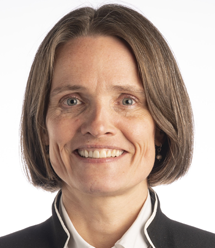
Marjan Boerma, PhD
University of Arkansas for Medical Sciences, Little Rock, ArkansasHow would ASTRO's Strategic Plan inspire you/your leadership, as a member of the ASTRO Nominating Committee, and your vision of characteristics of future ASTRO leaders?
The ASTRO Nominating Committee plays an integral part in the process of the elections of future ASTRO leaders by the membership. The Nominating Committee needs to make sure that the candidates that are put forward span the types of talent needed to address all goals and objectives as defined in ASTRO's Strategic Plan.
ASTRO's Strategic Plan is to the point, yet comprehensive. Among the goals that especially speak to me are those that address the multidisciplinary nature of radiation oncology, the importance of promoting equity, mentoring and the need for advocacy.
ASTRO's goal of supporting and improving access to equitable delivery of radiation therapy is extremely important. Relatively few patients in our country have access to advanced radiation therapy and options to participate in clinical trials, while most have not. The discrepancy in healthcare access between rural and urban populations is abundantly clear in a state such as Arkansas, my home for almost 20 years, where healthcare providers face this challenge every day.
The goals of fostering a diverse workforce and improving access to equitable care are much integrated with ASTRO's responsibility to lead policy advocacy. Indeed, ASTRO is uniquely positioned and equipped to lead policy advocacy to support the radiation oncology workforce and improve the care of cancer patients. Proper policy advocacy requires input and participation of members from all disciplines within our society.
With these considerations in mind, as member of the ASTRO Nominating Committee, I would aim to identify candidates for leadership who are exceptional listeners, approachable, and eager to learn about the diverse viewpoints, needs and experiences of the membership. Leaders must be able to show a commitment to fulfilling the goals as stated in the ASTRO Strategic Plan through creativity and fostering collaboration between the disciplines. Lastly, ASTRO is lucky to have many members who make a difference by taking part in annual meetings and workshops, discussion groups, and by volunteering their time to ASTRO committees. ASTRO leaders must be excited about providing direction to the diverse initiatives put forward by members, to make sure that we all take part in ASTRO's mission and feel included in this multidisciplinary community.
EDUCATION
- PhD, Radiation Biology, Leiden University, The Netherlands, 2004
- MS, Cell Biology, Wageningen University, The Netherlands, 1998
- BS, Biology, Wageningen University, The Netherlands, 1994
POSTGRADUATE EDUCATION
- Postdoctoral Fellowship, Radiation Biology, University of Arkansas for Medical Sciences, 2004 - 2006
ACADEMIC APPOINTMENTS
- Professor, Pharmaceutical Sciences, University of Arkansas for Medical Sciences, 2021 - present
- Associate Professor, Pharmaceutical Sciences, University of Arkansas for Medical Sciences, 2012 - 2021
- Assistant Professor, Pharmaceutical Sciences, University of Arkansas for Medical Sciences, 2006 - 2012
SERVICE TO ASTRO
- Member, Scientific Review Panel, 2022 - present
- Member, Science Council, 2020 - present
- Section Editor, Biology, International Journal of Radiation Oncology • Biology • Physics, 2020 - 2023
- Associate Section Editor, Biology, International Journal of Radiation Oncology • Biology • Physics, 2014 - 2020
SERVICE TO OTHER ONCOLOGY OR RADIOLOGY ORGANIZATIONS
American Cancer Society
- Member, Clinical Studies and Clinical Trials Peer Review Committee, 2022 - present
Radiation Research Society
- Secretary-Treasurer, 2020 - present
- Member, Awards Committee, 2012
- Member, Finance Committee, 2011 - present
- Member, Podcast Committee, 2008 - 2013
American Association of Physicists in Medicine
- Nonvoting member, Task Group 319: Guidelines for accurate dosimetry in radiation biology experiments, 2018 - present
European Society for Radiotherapy and Oncology
- Member, Young Track Scientific Program Development Group for Forum, 2012 - 2013
BIOGRAPHICAL SKETCH
Marjan Boerma received her PhD degree in radiation biology from the University of Leiden, the Netherlands in 2004. In her thesis work, she used animal and cell culture models to investigate biological mechanisms of radiation-induced heart disease. After a brief postdoctoral fellowship in the Department of Surgery at the University of Arkansas for Medical Sciences (UAMS), she obtained a faculty position in the College of Pharmacy at the same institution. She is currently a professor of Pharmaceutical Sciences and directs the College of Pharmacy Division of Radiation Health and the UAMS Center for Studies of Host Response to Cancer Therapy. In addition, she serves as director of the Radiation Biology Shared Resource and the Associate Director of Basic Science at the UAMS Winthrop P. Rockefeller Cancer Institute. Her research is aimed at understanding biological mechanisms of cardiovascular radiation injury and using that information to identify novel strategies for intervention. In collaboration with researchers at the Medical College of Wisconsin, Georgetown University and Columbia University, she is also involved in work to identify predictive biomarkers of normal tissue radiation injury. She has co-authored more than 100 peer-reviewed articles in these areas, and her research funding has been provided by the National Cancer Institute, the National Institute of Allergy and Infectious Diseases, the National Aeronautics and Space Administration, the American Cancer Society, and other federal and private funding sources.
