By the American Society of Clinical Oncology (ASCO)
The global oncology community is preparing to convene in Singapore from June 25-27, 2026, for ASCO Breakthrough. This meeting serves as a unique bridge between the high-level science of the ASCO Annual Meeting and the clinical realities of the Asia-Pacific — a region that carries nearly half of the global cancer burden.
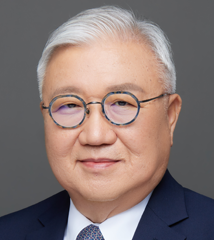
We sat down with 2026 ASCO Breakthrough Program Committee Chair Dr. Yun Yen, of Taipei Medical University, to discuss how the 2026 program is expanding its reach — and why it is increasingly relevant for specialists in Head and Neck oncology.
Q: Dr. Yen, ASCO Breakthrough is returning to Singapore. How does this year’s program specifically bridge the gap for Head and Neck specialists?
Dr. Yun Yen: The Asia-Pacific region faces a significant burden of head and neck cancers, particularly oral cavity and nasopharyngeal carcinomas. To reflect this reality, we have ensured that Head and Neck Cancer is an official abstract track for the 2026 meeting. This provides a dedicated home for researchers to present data on everything from surgical innovation to the latest in immunotherapy. We aren't just looking at high-resource solutions; we are looking for clinical breakthroughs that can be applied across the entire economic spectrum of the region.
Q: One session on the program is already generating interest: Clinical Solutions: Challenging Cases in Oral Cavity Cancer. What was the thought process behind this?
Dr. Yen: This session is a perfect example of how we bridge theory and practice. In head and neck oncology, we often face cases that don't fit perfectly into a standard guideline.
This session will bring together multidisciplinary experts to walk through complex, real-world scenarios. It’s designed to be highly interactive, focusing on the difficult decision making processes for issues like aggressive recurrences or complex reconstructions. It’s about finding practical "clinical solutions" for the patients sitting in our waiting rooms today.
Q: What other scientific highlights will be particularly relevant to this group?
Dr. Yen: We are maintaining a rigorous focus on technologies like Artificial Intelligence (AI), digital health and antibody-drug conjugates (ADCs). For head and neck doctors, the potential of ADCs and targeted therapies is a rapidly evolving frontier.
Additionally, because the meeting occurs shortly after the ASCO Annual Meeting in Chicago, we will bring highlights of the most promising, practice-changing data directly to our stage in Singapore for localized discussion, ensuring that regional clinicians are up to date on the latest global standards.
Q: You’ve secured Professor Dennis Lo as a keynote speaker. How does his work intersect with this field?
Dr. Yen: Professor Lo is a pioneer in liquid biopsy. For those treating nasopharyngeal carcinoma (NPC), his work on cell-free DNA is foundational. His insights into how we can move toward non-invasive diagnostics and personalized, risk-based screening models are vital for the future of head and neck oncology.
Q: For researchers considering submitting to the Head and Neck track at ASCO Breakthrough, what is the value?
Dr. Yen: Visibility and influence. Accepted abstracts are published in a supplement of the Journal of Clinical Oncology (JCO). To support our best and brightest, we are also granting Abstract Awards of up to $1,000 to the authors of the 40 highest-rated abstracts. It’s a fantastic way to get your work recognized by the global experts driving oncology today.
Q: The meeting is often described as "intimate." How does that benefit the attendee?
Dr. Yen: We use a single general session room to keep everyone together. I’ve found that some of my most important collaborations started during a coffee break. This is a space where you can talk to the experts, not just watch them from a distance.
Be part of the movement defining the future of cancer care. Whether you are submitting to the Head and Neck track or joining the discussion on Oral Cavity Cancer, 2026 ASCO Breakthrough is your meeting.
Published February 19, 2026